Capabilities
Multi-Stage Painting & Class-A Cosmetic Finishing
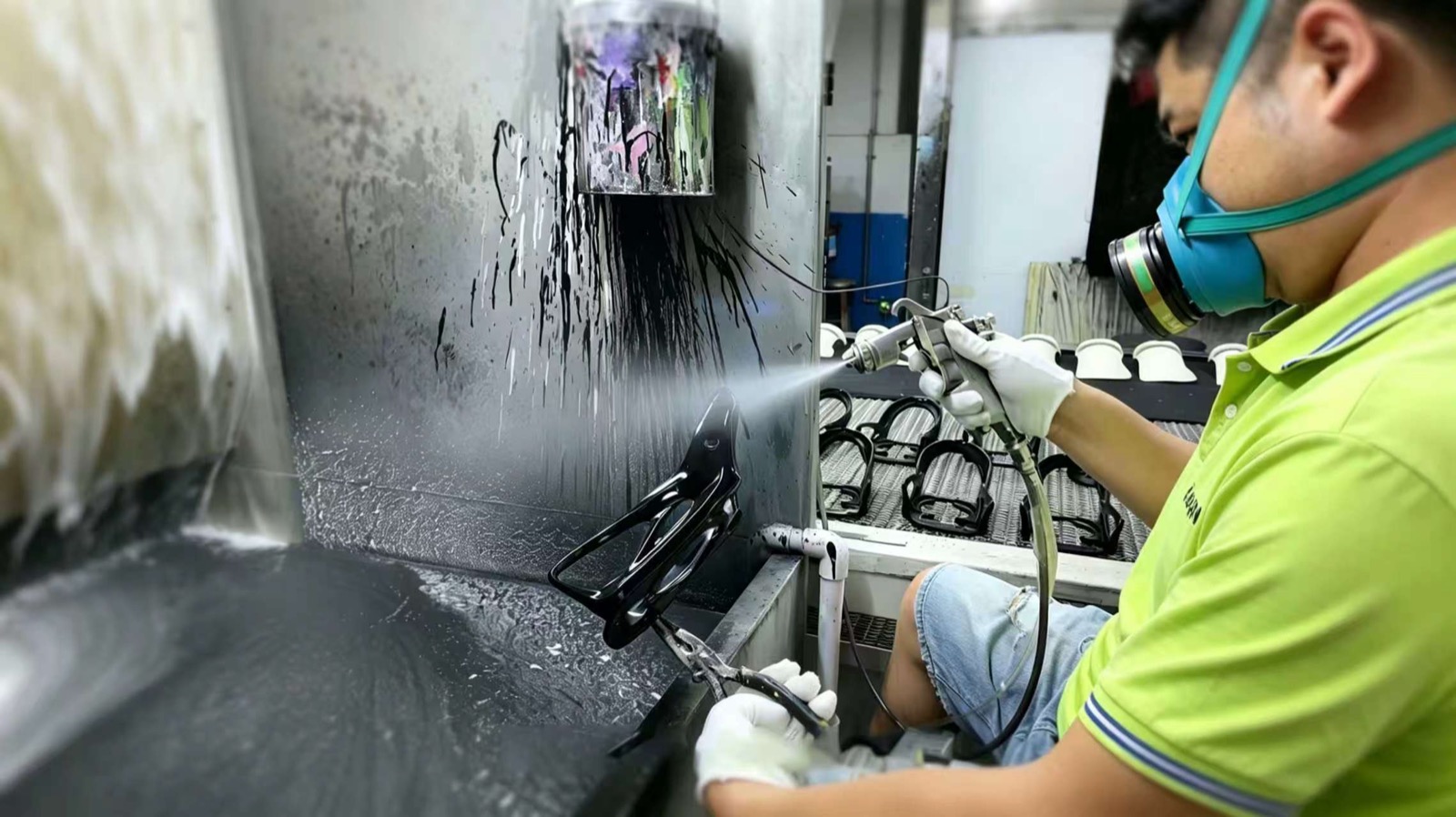
Fudakin runs multi-stage painting on our own Shenzhen paint line — every stage, every time.
Ask by Emailor copy tiger@fudakint.com1996
Manufacturing since
200,000
Square meters of floor
300+
People on the floor
30–45
Day production lead times
The Core Capability
How the process runs
Primer, color, and clearcoat each need their own cure window. Rush the sequence and coats trap solvent or lift under stress — a flaw that only shows up after the part has been in use. Surface prep decides adhesion before paint ever touches the part; skip it and the finish chips under normal handling, not abuse.
Plastic and metal take paint differently — different prep, different chemistry. And a line only proves itself on part two hundred, not part one: matching color, gloss, and texture across a full run is where most cosmetic failures start.
Stage By Stage
Quality control
Surface preparation
Where adhesion is won or lost, before paint ever lands.
Primer, color, clearcoat
Each stage cures fully before the next one goes on.
Plastic and metal, apart
Different prep, different chemistry, same line.
Full-run consistency
Part two hundred matches part one, every time.
One Floor, Not One Vendor
Painting
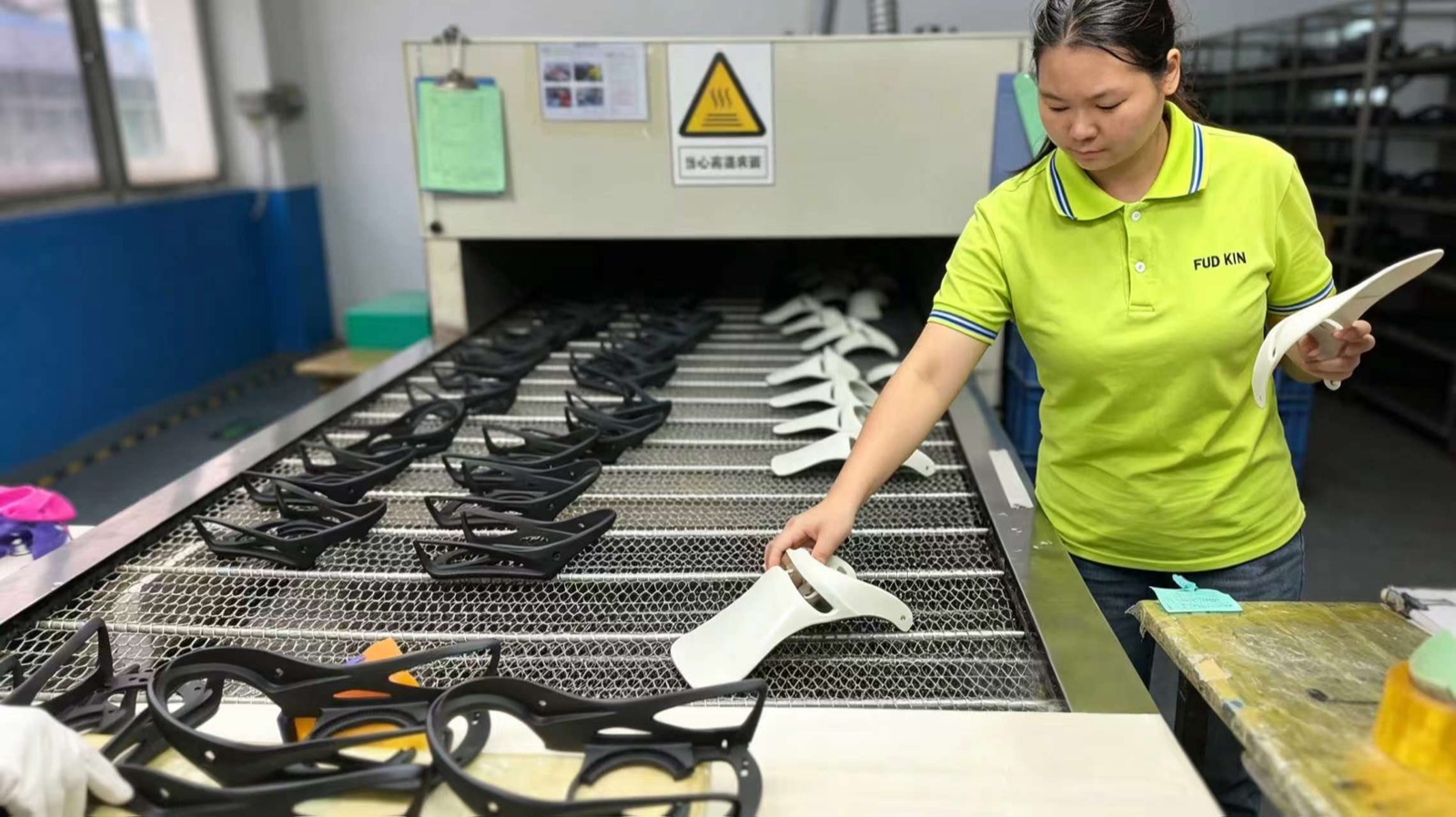
Painted parts come off injection molding, metal stamping, or die casting on this floor and move into paint without a vendor handoff, then into final assembly or packaging.
Need a durable finish instead of a wet coat? We also run powder coating. Need branding on a finished surface?Pad printing and laser marking run after paint, same floor.
In Action
Painting photos
FAQ
Frequently asked questions
What does "multi-stage painting" actually mean?
It means a finished part passes through several distinct steps rather than one — surface preparation, a primer coat, one or more color coats, and typically a clear topcoat, with cure or dry time between stages. Each stage does a different job: primer promotes adhesion and evens out the surface, color delivers the appearance, and clearcoat protects it. Skip or shortcut a stage and the finish looks fine on day one and fails later — chipping, fading, or poor adhesion.
What is a Class-A cosmetic finish, and why does it matter?
It's finish quality good enough for a part the customer will actually see and touch — no orange peel texture, no visible dust or debris under the paint, consistent color and gloss across the whole surface, and no sagging or thin spots at edges and corners. It matters because a cosmetic part is judged the moment someone picks it up, before they ever use the product.
Where does painting most commonly go wrong at other factories?
The most common shortcut is cutting a stage to save time or cost — skipping a primer step, rushing cure time between coats, or under-preparing the surface before paint goes on. It doesn't show up on the part that ships; it shows up months later as peeling, chipping, or a finish that never should have passed inspection in the first place. This is one of the things we see most often when a part comes to us after another supplier's paint work failed.
Can plastic and metal parts be painted the same way?
No — they need different preparation and different paint chemistry. Plastic parts often need a surface treatment before paint will adhere properly, and paint formulated for plastic flexes differently than paint formulated for metal. Painting both substrates well, on the same line, means running the correct prep and material for each rather than treating every part the same.
Is painting done on the same floor as molding and metal parts?
Yes. Our paint line sits on the same Shenzhen floor as injection molding, metal stamping, and die casting, so a molded plastic housing or a stamped or cast metal part moves directly into painting without shipping to a second vendor and back.
Talk to us about a finish
Send us the part and the finish you're after — we'll tell you honestly what it takes to get a Class-A result and keep it.