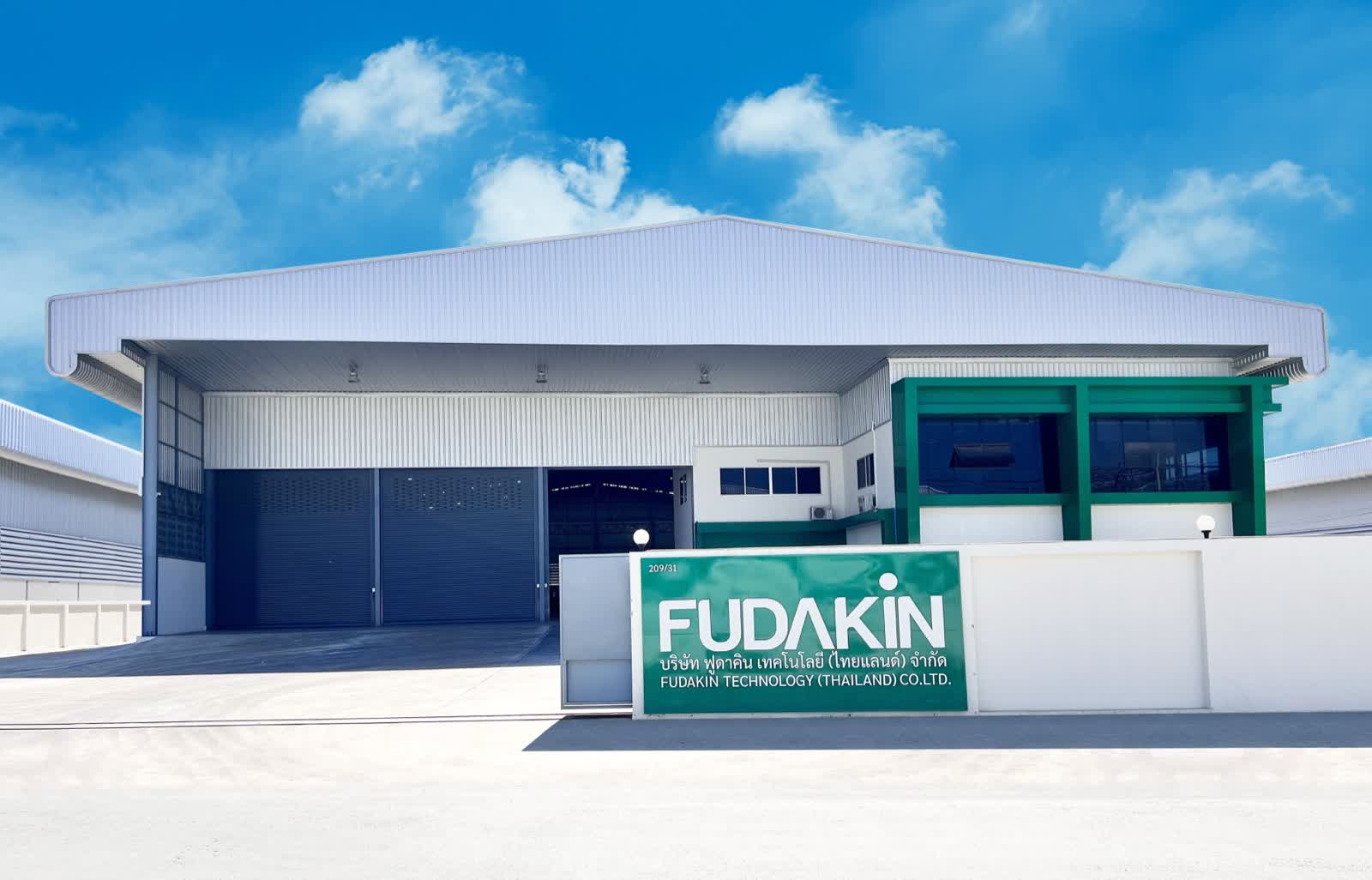
Global Operations
Thailand Contract Manufacturing
Concept to launch, minus the tariff pain. Fudakin's Bangkok operation extends three decades of Shenzhen manufacturing standards into Thailand, giving North America-owned brands a tariff-resilient second production base without a second learning curve.
Discuss Thailand Production by Emailor copy tiger@fudakint.comTwo production bases
Fudakin's roots are in Shenzhen, where our family built a full-stack manufacturing operation starting in 1996. Our Thailand facility isn't a separate business bolted on for tariff optics — it runs injection molding, warehousing, and assembly to the same quality standards, and increasingly the same customer relationships, as our Shenzhen operation, giving brands a genuine "China plus one" option instead of a second vendor to vet from scratch.
For North America-owned brands, that distinction matters. Sourcing teams are being asked to diversify manufacturing away from a single country, but qualifying a brand-new factory takes months and carries real quality risk. Working with Fudakin's Thailand operation means diversifying your production footprint while keeping the same partner, the same tooling standards, and the same person — often Tiger Li himself — accountable for the outcome.
Advantages
- Tariff resilience — production capacity outside China for tariff-sensitive categories.
- Shared standards — the same quality process and materials knowledge as our Shenzhen facility.
- 30–45 day lead times — versus 60–75 days typical of traditional, multi-vendor sourcing.
- Built for North America-owned brands — supply chains designed around US and Canadian market needs.
- Diversified, tariff-smart footprint — production split across China and Thailand, backed by fulfillment partners in North America, Europe, and Asia.
Concept to launch
Tariff-smart, diversified manufacturing isn't a slogan for us — it's how the Thailand operation was built. Instead of asking a customer to gamble on production shifting entirely to one new country, we split capacity across Shenzhen and Bangkok, so a change in trade policy affects part of a program instead of all of it. Pair that with our in-house 3PL and fulfillment partners across North America, Europe, and Asia, and a product can go from concept to a customer's doorstep without the pain points that usually come with diversifying a supply chain.
Consistency across sites
Fudakin's Shenzhen campus alone spans 200,000 square meters, and the Thailand operation is built on that same foundation — full-stack capability, honest communication, and a family-run business that answers its own messages, now with two continents of production behind it.
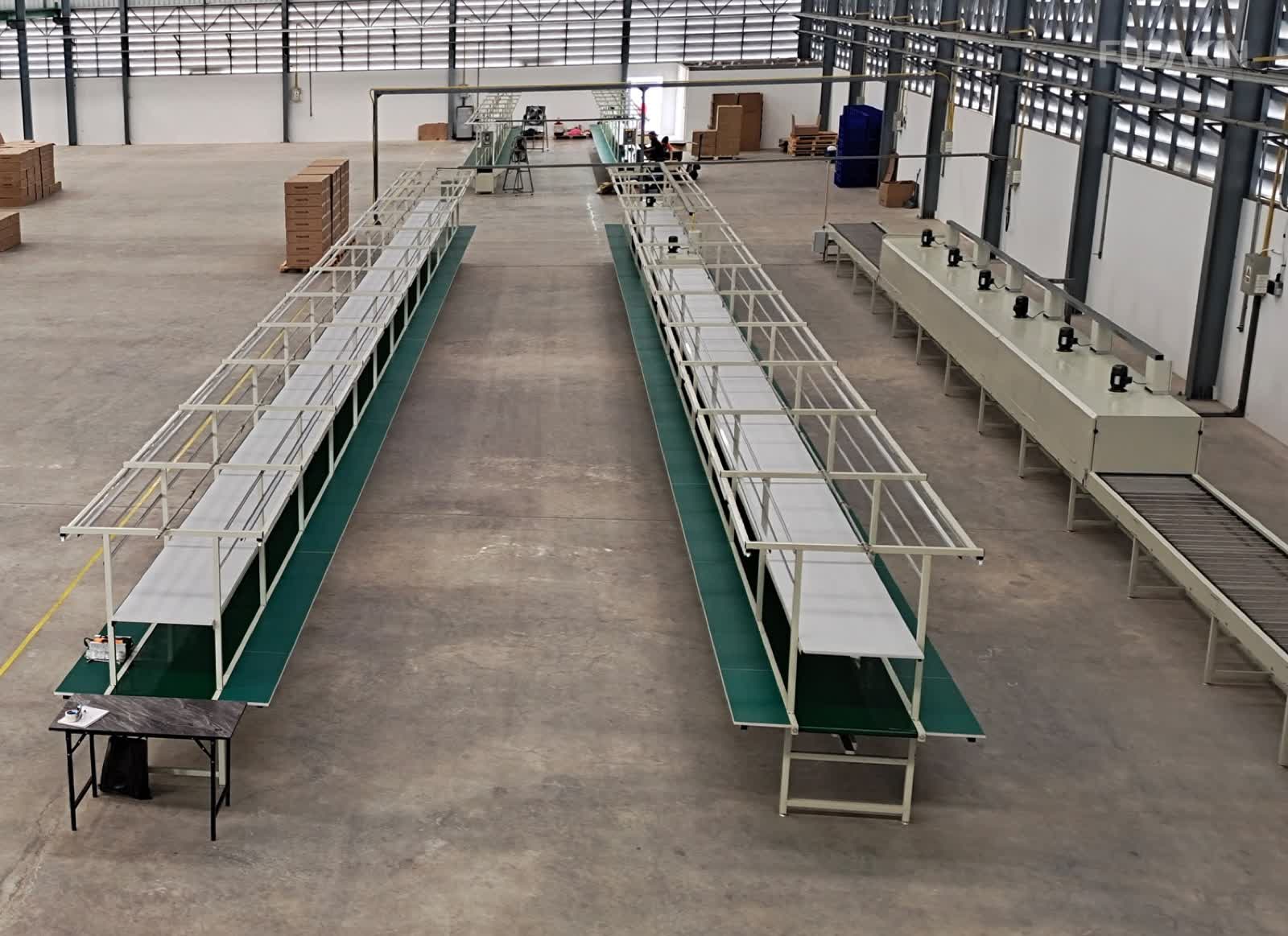
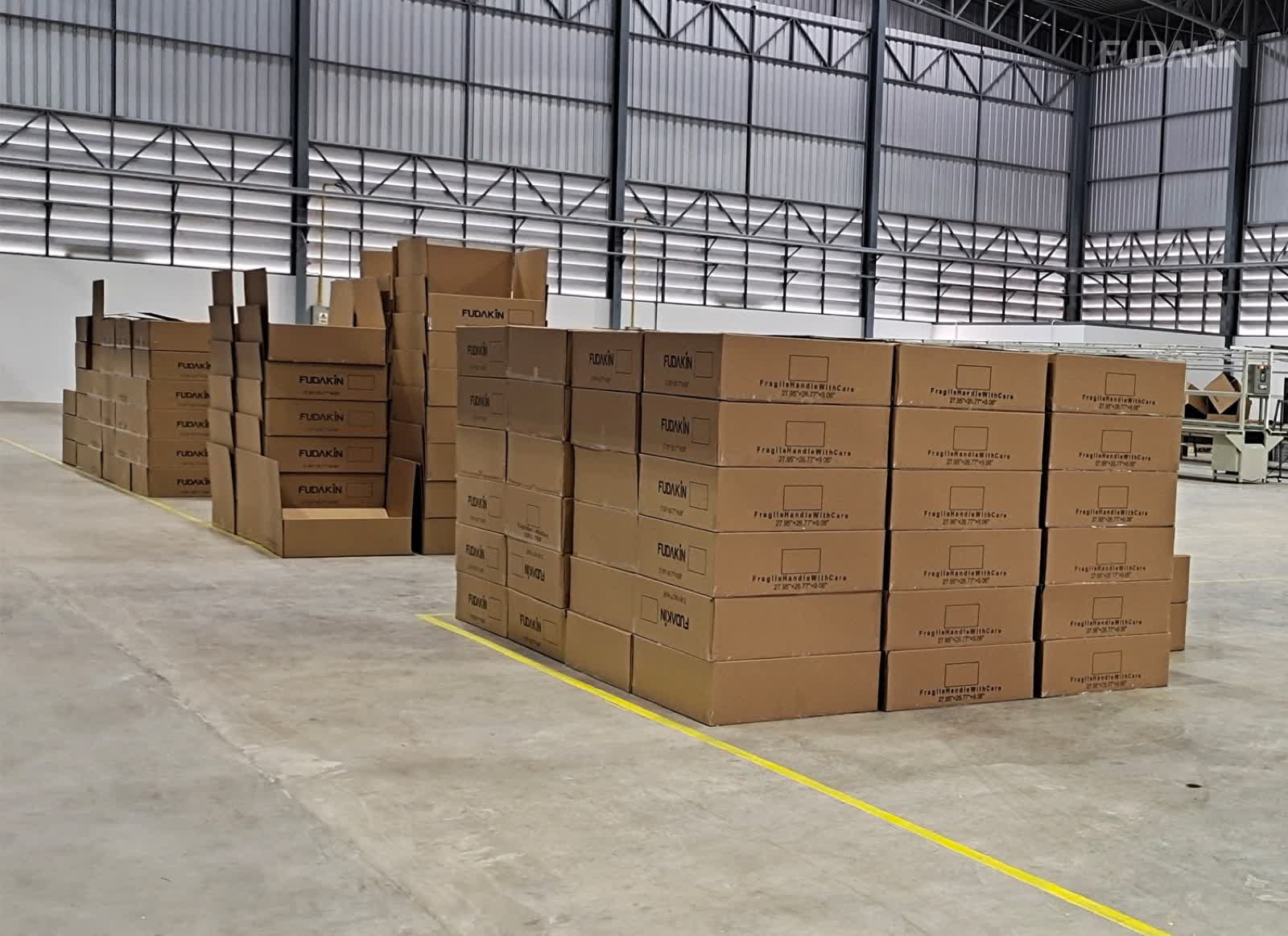
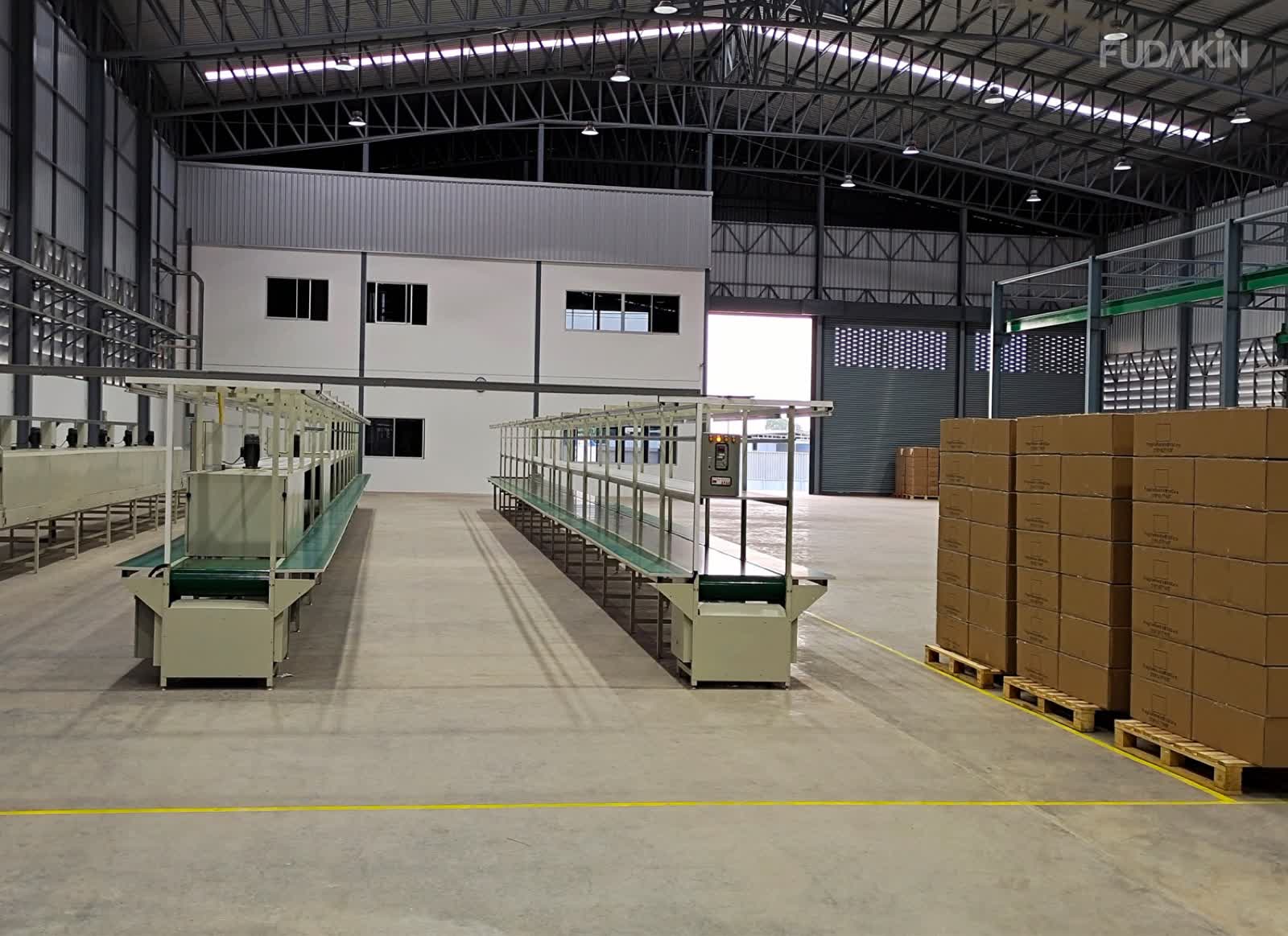
Inside the Bangkok facility — injection molding, storage, and assembly
Bangkok runs three processes: injection molding, warehousing and storage, and assembly — a real second production base, not a duplicate of the Shenzhen machine floor.
FAQ
Frequently asked questions
What is a "China plus one" manufacturing strategy?
It means pairing your existing China supply chain with a second production base — often in Thailand or Vietnam — so a single tariff change, shipping disruption, or policy shift doesn't stop your production. Fudakin's Thailand operation is built to be that second base, without asking you to start over with an unfamiliar vendor.
Why choose Fudakin's Thailand operation instead of a new Thai vendor?
Because it isn't a new vendor — it's the same family, the same quality standards, and the same manufacturing playbook that's run in Shenzhen since 1996, extended into Bangkok. You get tariff diversification without the risk of qualifying an unknown factory.
What lead times can I expect from the Thailand facility?
Typical lead times run 30–45 days, compared with the 60–75 days common with traditional multi-vendor sourcing — because tooling, materials, and process knowledge move between our facilities instead of starting fresh each time.
Which industries is the Thailand operation set up to serve?
It's built primarily to serve North America-owned brands looking to de-risk their supply chain, running injection-molded and assembled parts for the same categories we support from Shenzhen: robotics, AI-integrated hardware, electronic hardware, equipment, and sporting goods.
Can a project move between Shenzhen and Thailand as needed?
For injection-molded and assembled parts, yes — because both operations share tooling standards, materials knowledge, and quality process, that production can shift between the two as tariff conditions, capacity, or customer requirements change. Machined parts stay on the Shenzhen line, where our CNC equipment runs.
Talk to us about Thailand manufacturing
Tell us your product and timeline — we'll walk you through what a Thailand option looks like.