Capabilities
Powder Coating
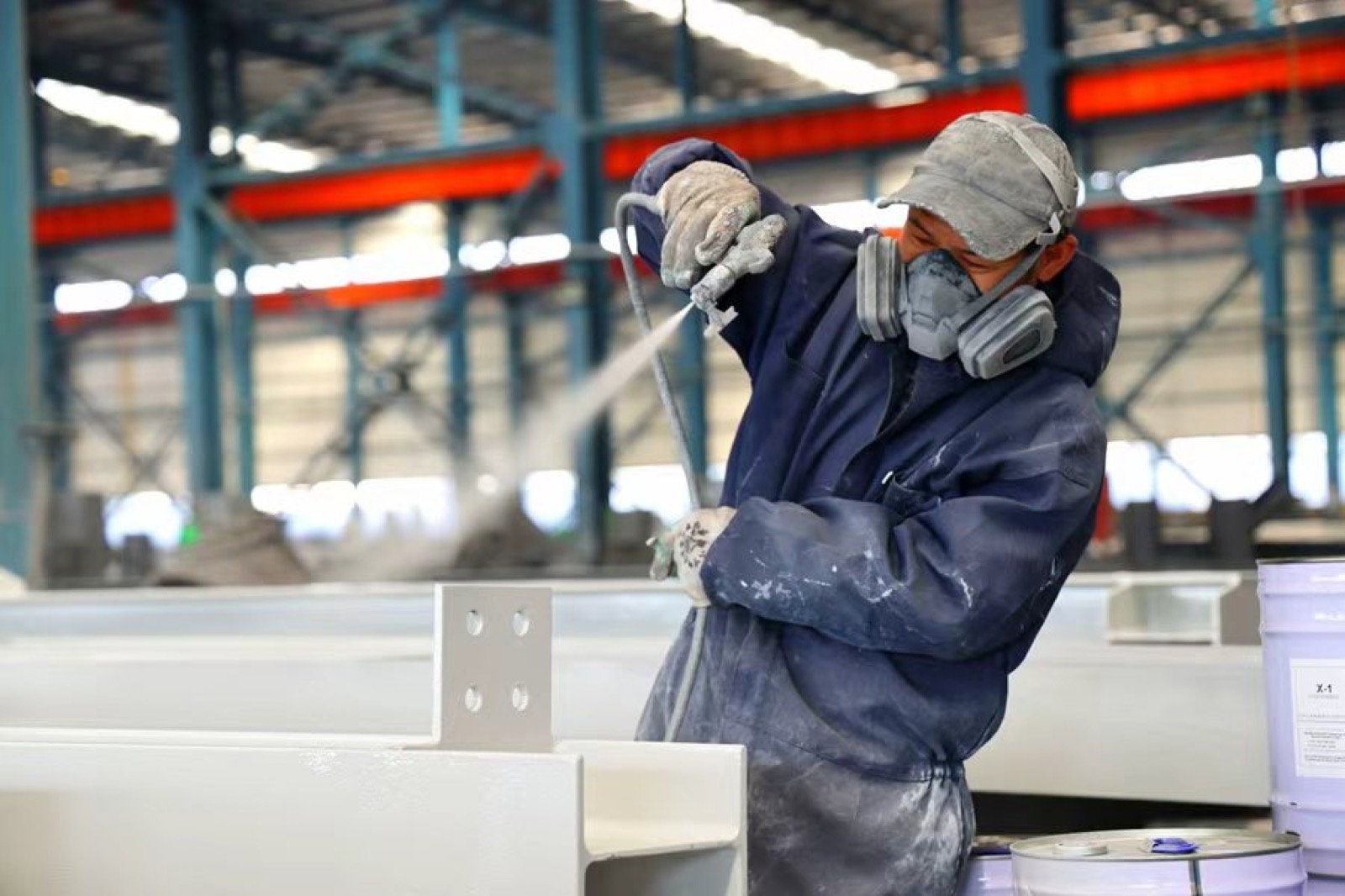
Fudakin runs powder coating on the same Shenzhen floor as our stamping and die casting lines, applying an even coat across the whole part, edges included, and curing it to spec.
Ask by Emailor copy tiger@fudakint.comWhat Fudakin runs
Fudakin runs powder coating on the same Shenzhen floor as our metal stamping and die casting lines. Stamped, cast, and machined metal parts move directly from forming into the coating booth and cure oven without a vendor handoff — no shipping a bare part out and a coated one back.
From there, coated parts can move straight into pad printing or laser marking for branding, or into assembly. For parts that need a cosmetic wet-paint finish instead, or that can't take the heat of the cure oven, we run multi-stage painting on the same floor and can help you choose which finish actually fits the part.
We review coverage and cure schedule during DFM before a program starts — checking the part's hardest geometry, like recesses, tight corners, and sharp edges, for where powder naturally collects thin, and setting oven time and temperature for the specific part rather than a generic cycle. That's decided on our floor, with the people running the oven, rather than handed off as a spec to a separate coating shop that never saw the part come off the press.
What to get right
Powder coating reads as simple — spray on a durable powder, bake it, done. What actually determines whether the finish lasts is mostly invisible once the part is coated.
Even coverage on complex geometry
The electrostatic process that draws powder onto a part doesn't distribute evenly across every shape. Recesses, tight corners, and sharp edges collect less powder than flat faces, and a thin spot on an edge is the first place the coating wears through in real use.
Surface preparation
Like every finish, powder coating only bonds as well as the surface underneath is prepared. Oil, oxidation, or debris left on the part before coating shows up later as flaking, not at the moment the part comes out of the oven looking fine.
Cure control
Powder has to reach and hold the right temperature for the right time to fully cure. Under-cure leaves a coating that looks done but chips easily; over-cure can discolor or embrittle it. Holding that steady across a full oven load, not just one test part, is what makes a line reliable at volume.
FAQ
Frequently asked questions
How is powder coating different from wet paint?
Powder coating applies dry, electrostatically charged powder to a metal part, which is then cured under heat so the powder melts and fuses into a continuous finish. Wet paint is a liquid applied in coats that dry or cure at room temperature or lower heat. Powder coating generally produces a thicker, more durable, more chip-resistant finish, and it's a common choice for parts that take regular handling or outdoor exposure.
What kinds of parts is powder coating best suited for?
Metal parts that need a durable, even finish and can withstand the cure oven's heat — stamped brackets, die-cast housings, machined metal components, and structural or functional parts where chip and wear resistance matters more than a wet-paint cosmetic effect. It's not generally used on parts that can't take the heat of the cure cycle, like most plastics.
Where does powder coating commonly fail?
Uneven coverage and poor edge coating are the usual problems — powder can build up unevenly on complex geometry, and sharp edges or corners are naturally harder for the electrostatic process to coat as thickly as flat surfaces, leaving a thin spot that wears through first. Surface preparation before coating matters just as much as it does with any other finish; skip it and the coating doesn't bond properly no matter how well it's applied.
Can powder-coated parts be finished with a logo or marking afterward?
Yes. Once a part is powder coated and cured, it can move into pad printing or laser marking on the same floor for branding, part numbers, or graphics on top of the finished coat.
Is powder coating available on both stamped and die-cast parts?
Yes — powder coating runs on the same Shenzhen floor as our metal stamping and die casting lines, so a formed or cast metal part can move directly into finishing without shipping to a second vendor.
Talk to us about a finish
Send the drawing and where the part will live — we'll tell you honestly whether powder coating fits.