Capabilities
Pad Printing, Screen Printing & Laser Marking
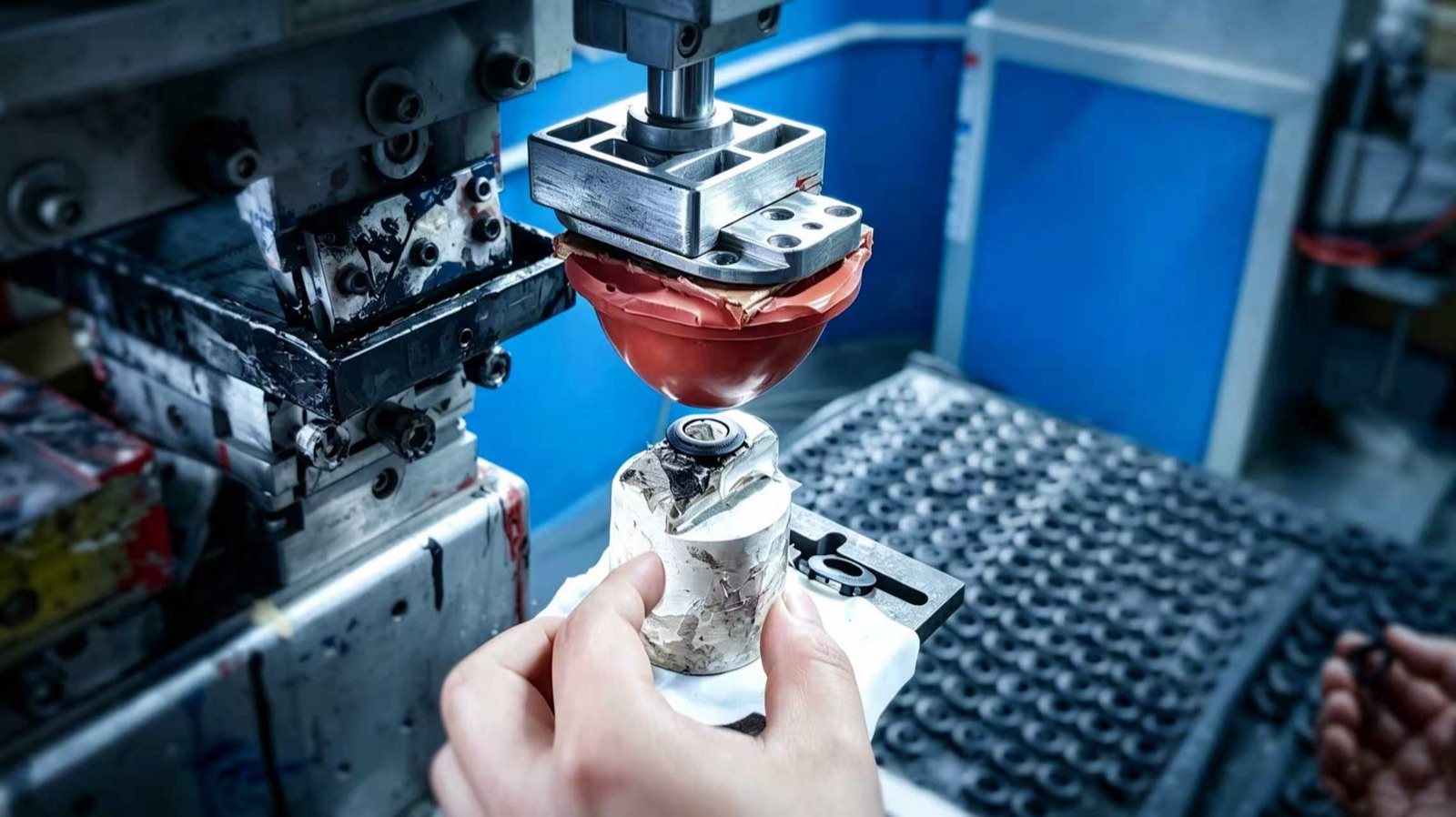
Fudakin runs pad printing, screen printing, and laser marking on the same Shenzhen floor as molding, metal, and finishing.
Ask by Emailor copy tiger@fudakint.comWhat Fudakin runs
Fudakin runs pad printing, screen printing, and laser marking on the same Shenzhen floor as our molding, metal, and finishing lines. Parts arrive at the printing and marking stations straight off injection molding, painting, or powder coating on the same site — so a logo or serial number goes on at the right point in the sequence without the part leaving the building.
Pad printing handles curved or contoured housings, where a soft silicone pad conforms to the shape during transfer. Screen printing suits a flat panel with bold, simple graphics. Laser marking changes the material itself rather than adding ink, which is why we use it for permanent identification — serial numbers, part numbers, compliance markings — that needs to stay legible for the life of the part.
We review part geometry, material, and durability requirements during DFM to pick the right method up front, and we sequence marking against painting, powder coating, and plating so a mark lands after the finish it's supposed to sit on, not underneath it. Because we run the finishing lines and the marking stations on the same floor, that sequencing is our call to get right, not something we're trusting a separate vendor's schedule to line up.
Why choosing the right marking method matters
Printing and marking is a late step in a product's build, but not a small one. Picking the wrong method for a part's shape, material, or durability need is a decision that shows up the first time a customer wipes the logo with a thumb.
Part geometry decides the process
A flat panel, a curved housing, and a small cylindrical part all take ink differently. Pad printing exists because a soft pad can deposit ink onto a contoured surface a flat screen can't reach cleanly. The wrong process for a part's shape produces smearing, incomplete coverage, or registration that drifts across the run.
Durability decides ink versus laser
Printed ink sits on top of a surface and can wear, fade, or chip with handling and sun exposure. Laser marking changes the material itself, so nothing sits on the surface to wear away — the right call for a serial number or compliance mark, versus a decorative logo where printed color matters more than permanence.
FAQ
Frequently asked questions
What's the difference between pad printing, screen printing, and laser marking?
Pad printing transfers ink from an etched plate onto a part using a soft silicone pad, which is what makes it good at printing onto curved or irregular surfaces that a flat printing process can't reach. Screen printing pushes ink through a mesh stencil directly onto a mostly flat surface, and suits bold, simple graphics well. Laser marking uses a laser to permanently alter the surface of a material — engraving, discoloring, or etching a mark rather than adding ink at all, so it can't wear or peel off.
Which method should I use for a logo on a curved plastic housing?
Pad printing is usually the right call for a curved or contoured surface, since the pad conforms to the part's shape during the transfer. Screen printing suits a flat panel on the same part better. We review part geometry and pick the process during DFM rather than defaulting to one method for everything.
Does laser marking last longer than printed ink?
Generally yes, because laser marking changes the material itself rather than sitting on top of it as a layer of ink — there's no ink to wear off, chip, or fade from handling or sunlight. It's a common choice for permanent identification like serial numbers, part numbers, or compliance markings, where a printed label or ink mark risks wearing away over the product's life.
Can printing or marking be done on a painted or powder-coated part?
Yes — printing and marking typically happen after finishing, on top of a painted, powder-coated, or plated surface, so the logo or graphic sits on the final finish rather than getting covered by a later process. We run finishing and marking on the same floor so that sequencing happens correctly.
Is multi-color printing possible with pad printing?
Yes — pad printing can run multiple colors in registered passes to build up a multi-color logo or graphic, though more colors mean more setup and more opportunity for registration to drift, which is something we control for on the line rather than leaving to chance.
Talk to us about marking a part
Send us the part shape and durability need — we'll tell you honestly whether pad print, screen print, or laser marking fits.