Case Studies
Case Studies
These are real projects, told the way our customers told them to us. Most arrived at Fudakin after a problem — often material — that hadn't been solved elsewhere.
Tell Us Your Problemor copy tiger@fudakint.comSix projects from our archives
Read these six stories together and the pattern is the point. A part built from too many materials for other factories to combine. A multi-material part that needed one team accountable for every material decision. A part with a level of fine detail that is genuinely hard to hold. A critical component where the tolerance had to be proven, not asserted. A concept with no path to production yet. A project knocked off course when the parts didn't match the plan. Different problems, one common thread: material — choosing it, understanding it, working it — was the thing standing in the way.
Two things worth saying plainly, because the owner asked us to keep them in: Fudakin's price is often higher than the alternatives, and that's justified on the critical components, where getting it wrong costs far more than the difference. And on the longest-running projects, the problem-solving never really stops — every new product a customer brings us creates new problems, and solving them is the job, not a one-time event.
Story 01
A multi-material strap system
The problem
A customer came to Fudakin still in the design phase of a dial-and-ratchet strap system — the kind of attachment hardware used to tighten and secure a sport product to the body. The part combined several different materials in one small assembly, and every factory the customer had approached before Fudakin had turned it down or been unable to make it work.
Why it was hard
The difficulty wasn't the size of the part or a single tight tolerance — it was the number of different materials that had to come together in one piece, and the process needed to join them without one material working against another. That combination is genuinely technically difficult, and it was the actual barrier other factories ran into. Cost was never the issue here; the part simply couldn't be built.
What Fudakin did
Fudakin worked through the material and process combination with the customer while the product was still in design, rather than after tooling had already been cut. That let the team solve the technical problem — how to actually build the part — before it turned into an expensive mistake further down the line.
Where it stands
The product has since launched. The customer's business is still in the development stage, and they've stayed with Fudakin through that growth — on the strength of getting the difficult part solved, not on price.
Story 02
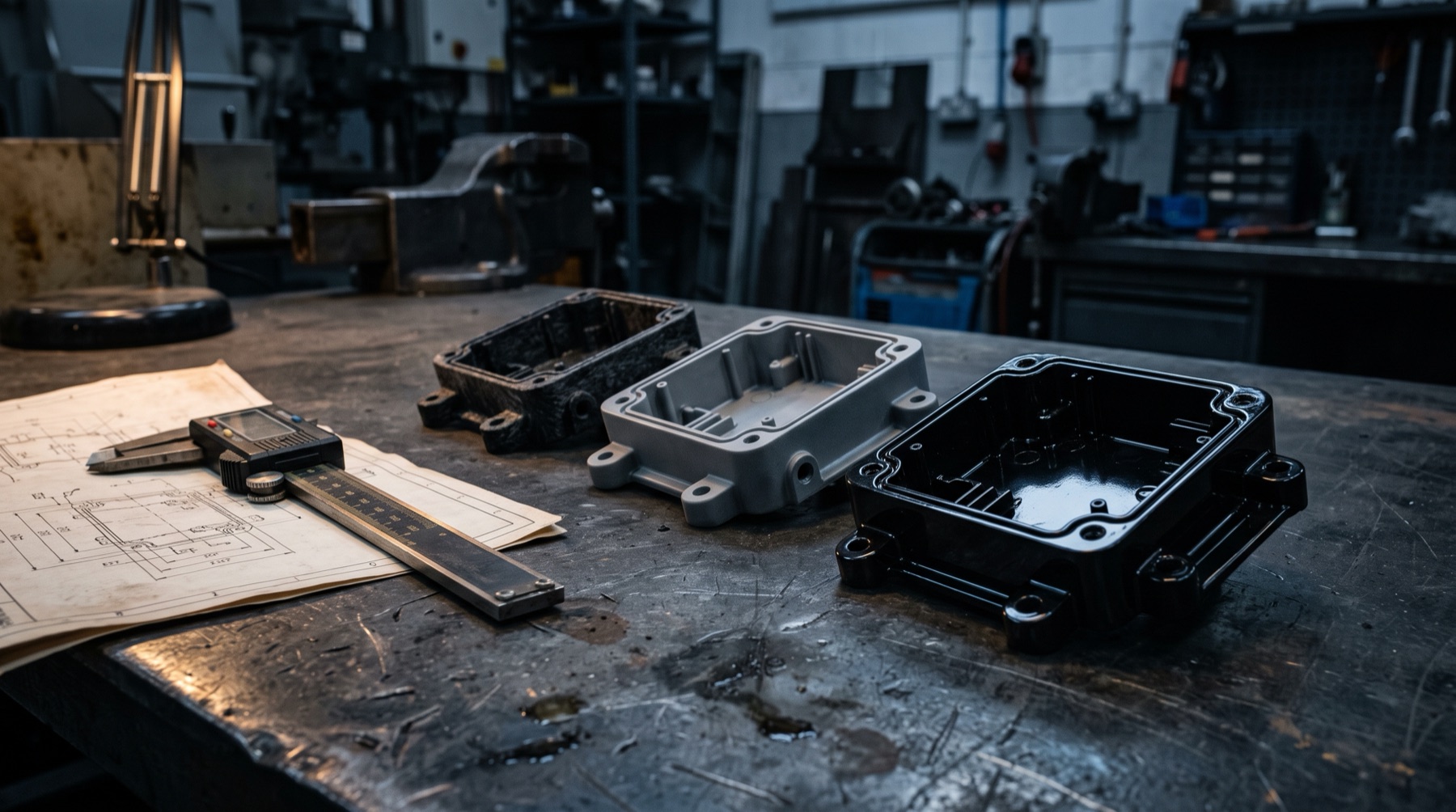
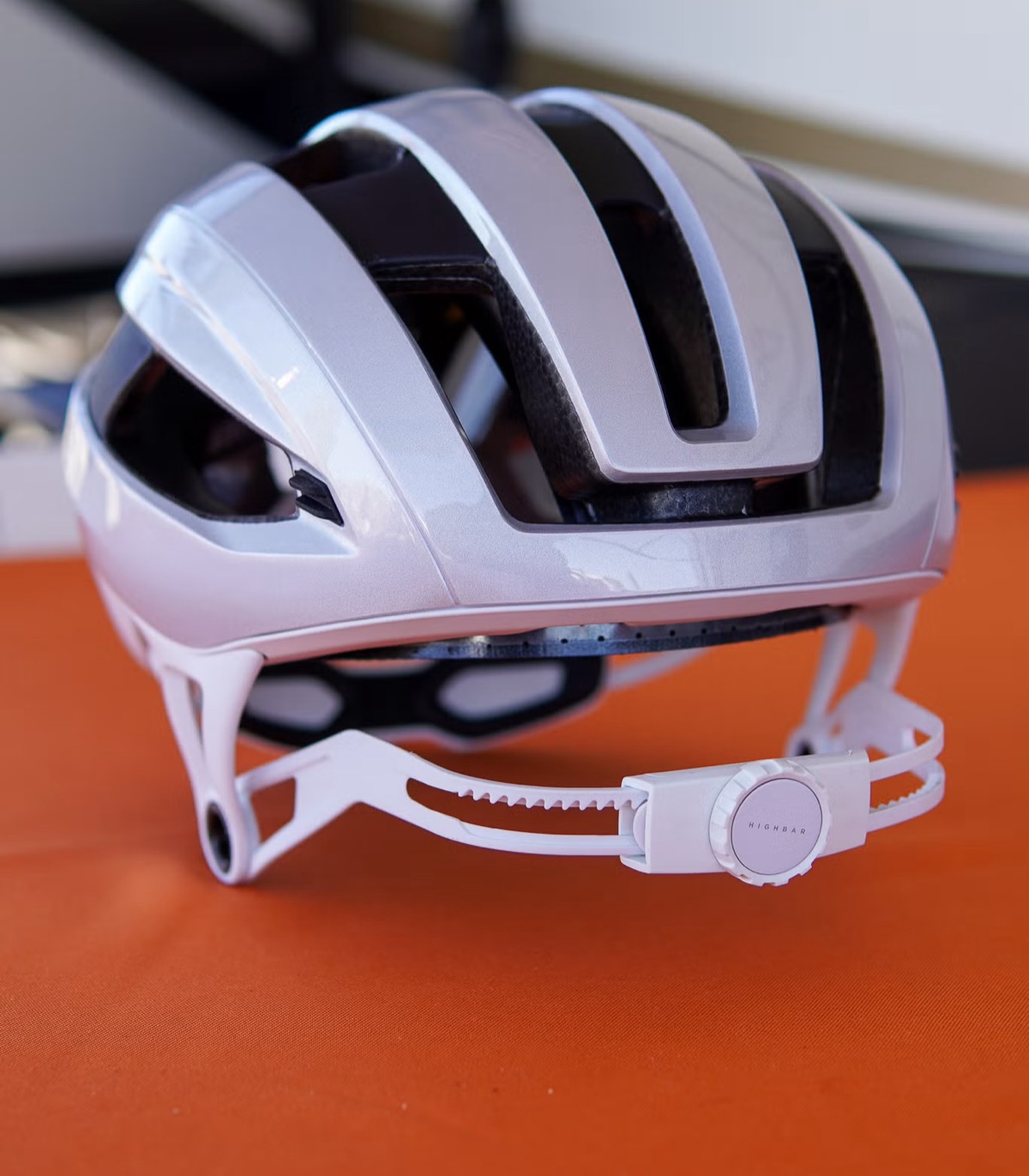
Highbar — fit and retention system
The problem
Highbar came to Fudakin to build their full fit system and retention system — the hardware that holds a helmet on the head and keeps it adjusted. The material at the core of that system is an expensive one that's difficult to work with, and Fudakin developed the system together with Highbar rather than being handed a finished design to quote.
Why it was hard
Highbar had gone looking for a factory that could make it, particularly on the helmet manufacturing side, and hadn't found one. The system combines very different materials with very different tolerances inside the same part, and that combination was the actual barrier — a factory that can mold one material well doesn't automatically hold tolerance on a second, very different material in the same piece.
What Fudakin did
Fudakin did the engineering work alongside Highbar's team, developing the fit and retention system material by material and tolerance by tolerance, rather than treating it as a single spec handed off to be quoted.
Where it stands
The system has been in production for about three years. Highbar is still a developing company, and it's growing. They've been a vocal advocate for Fudakin, particularly for the engineering side of how the work got done.
See the capability behind this story: Multi-Material Molding →
Story 03
Bell — face shield attachment
The problem
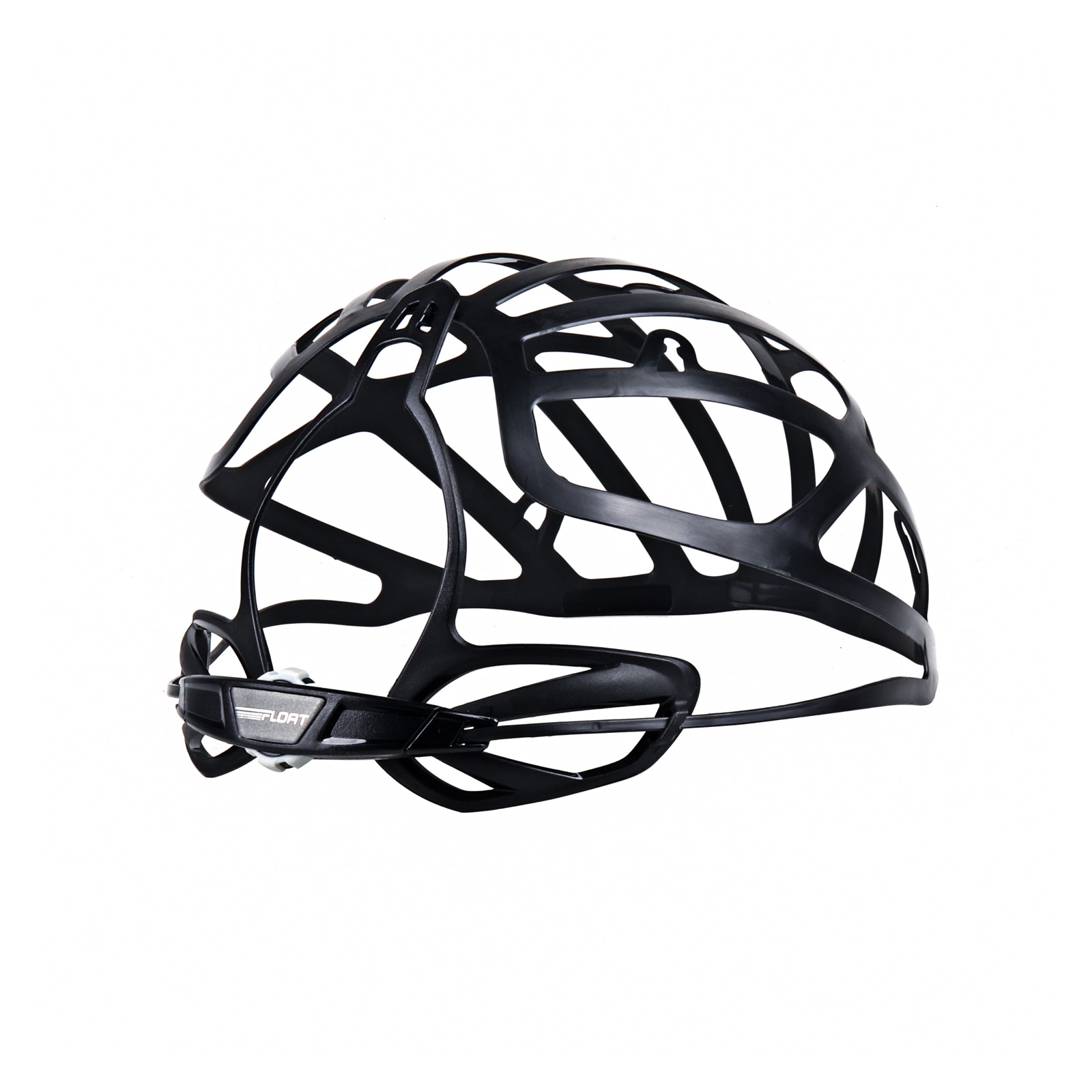
Bell came to Fudakin looking for a supplier for components on their motorcycle helmets — largely the face shield attachment piece, along with fit system hardware for the same helmets. They had already been to other suppliers before Fudakin and hadn't found one who could make the piece. Fudakin works with Bell on components — the face shield attachment, fit system hardware, and other pieces alongside them.
Why it was hard
The face shield attachment is a compact part built through multi-material injection — more than one material molded together in a small, tightly detailed piece. The material itself isn't ours to discuss, but the combination of a compact geometry and multi-material injection was more than most factories were able to take on. Bell came looking after running into that same wall elsewhere, and the fit system hardware Fudakin also builds for them carries a similar multi-material, close-tolerance profile.
What Fudakin did
Fudakin took the piece on and built it to Bell's specification through multi-material injection molding, and took on the fit system components on the same program rather than splitting the work across separate vendors.
Where it stands
Fudakin and Bell have been working together for at least ten years now, and Bell still orders that face shield attachment piece today.
See the capability behind this story: Multi-Material Molding →
Story 04
Kodak — camera component
The problem
Kodak came to Fudakin with a part used on one of their cameras. Which part it is isn't something we can say, but it's a multi-material part, and Kodak had been unable to find a supplier who could make it at the pricing they needed. They had already priced the job with other manufacturers before it reached Fudakin.
Why it was hard
The part is hard to make because it requires a process a factory has to be genuinely expert at, combined with a real understanding of how the different materials in the part behave together. Suppliers who could manage one of those two things couldn't necessarily manage both, and that gap between process skill and material knowledge is what had kept the price up everywhere else Kodak looked — it's the kind of part where getting it wrong costs far more than the piece itself.
What Fudakin did
Fudakin took the part on, working the process expertise and the material knowledge together rather than as two separate problems — which is what let the piece be made at the pricing Kodak needed. Fudakin's price on work like this is often a little higher than the alternatives, and it's held to be worth it on a component this critical.
Where it stands
Fudakin and Kodak have been working together for more than ten years.
See the capability behind this story: Tolerance & Inspection →

Story 05
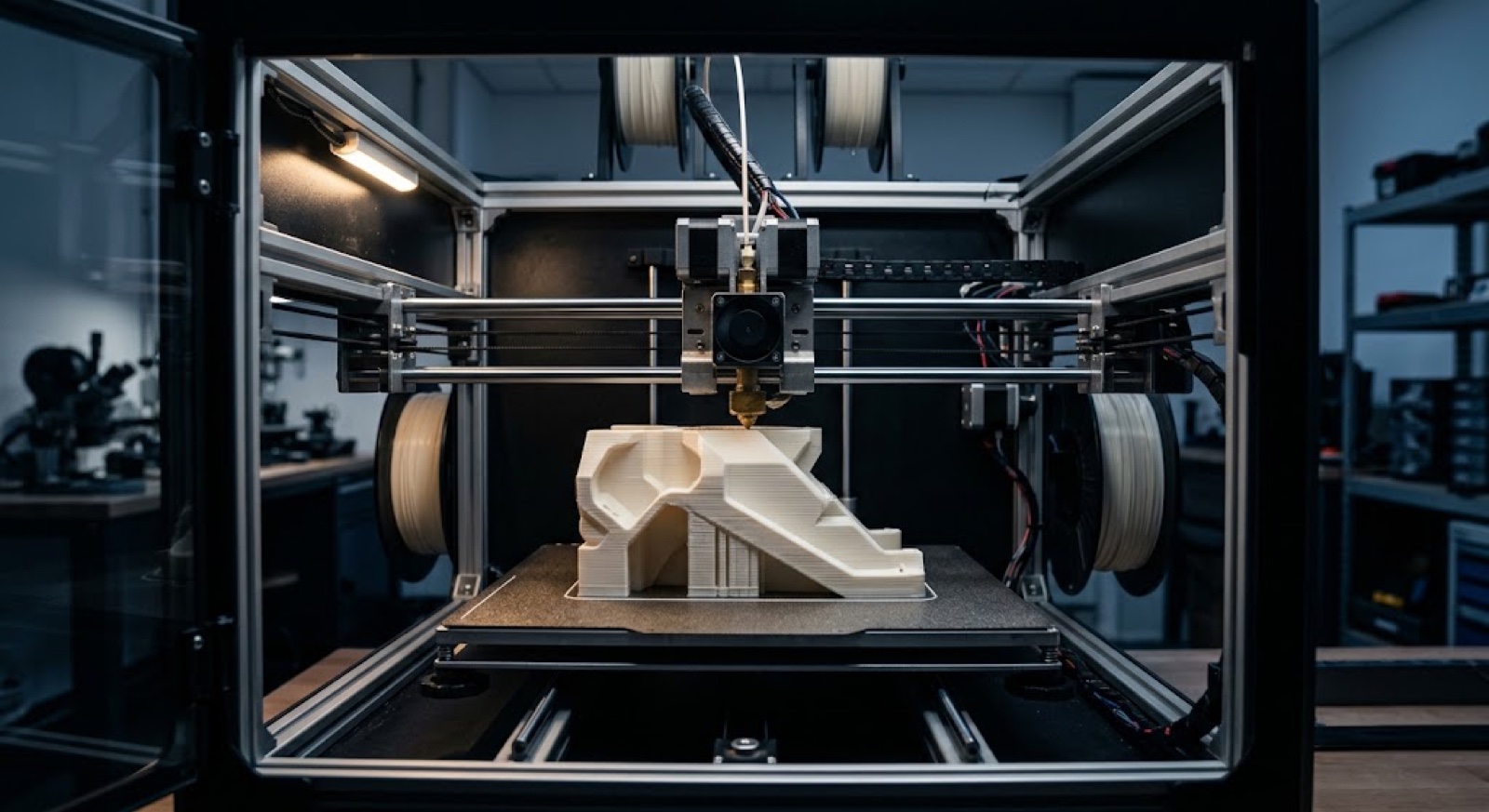
From 3D print to production
The problem
A founder came to Fudakin with a handheld consumer product they had been 3D printing themselves, one at a time, and no path from that to real production. They needed to move from one-off prints to an actual manufacturing line, and didn't yet know what that transition would take or cost.
Why it was hard
The hard part wasn't finding a factory willing to run a small first order — it was tooling. Moving from 3D printing to injection molding meant building a mold, and that tool cost was in the five figures, tens of thousands of dollars, paid upfront by the founder before a single production part existed. For a first-time founder, that upfront tooling cost is usually the real gate — not how many units they can commit to. Order quantity is rarely what stops a founder at this stage; funding the mold is.
What Fudakin did
Fudakin built the tool and carried the product from that 3D-printed concept through design review and into production, working through the part's design as it moved from a print to a moldable piece.
Where it stands
It took about six months from the start of that process to the first production run. The founder is now in their second production run with Fudakin.
Story 06
A rush replacement in two weeks
The problem
A customer had a different factory supplier send them the wrong components for a project that was already running on a tight timeline. There wasn't time to wait for that other supplier to remake them and try again, so the customer brought the project to Fudakin instead, mid-project and under real time pressure.
Why it was hard
The pressure was real: a shipping deadline already set, the wrong parts in hand from somewhere else, and no room to redo the whole process the slow way. The problem sat with the other supplier and with how little time was left — not with the customer. They had a plan in place and a supplier already lined up; someone else's mistake, not their own preparation, had knocked it off course.
What Fudakin did
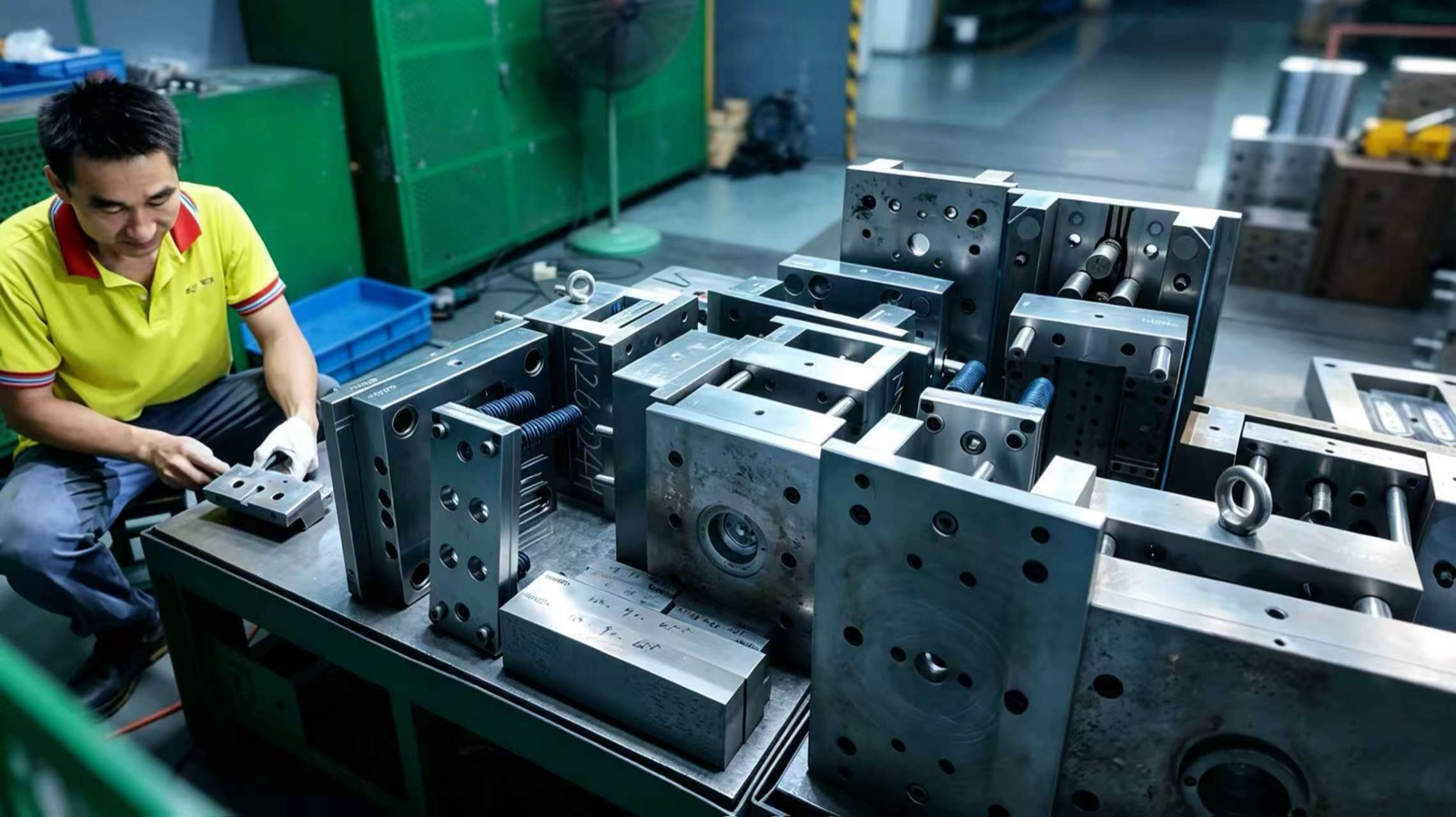
Fudakin reworked the design quickly and ran the corrected piece from CNC prototyping through to injection molding in about two weeks, rather than sending the mismatched parts back and waiting on a remake.
Where it stands
The project shipped on schedule at the end of that two-week push. That part is still in production today, and it ultimately helped grow the customer's sales.
FAQ
Frequently asked questions
Why are some of these customers named and others not?
Every name on this page is published with the customer's permission — Bell and Kodak agreed to be named. Where a customer preferred to stay unnamed, we've kept the story exactly as they told it, with the technical detail intact, and left the logo off. The story stands on its own either way.
Is Fudakin usually the cheapest option?
No, and we won't pretend otherwise. On the work described here, our price is often higher than the alternatives — and it's justified on the critical components, where the cost of getting it wrong is a lot more than the price difference.
Does the problem-solving stop once a project is in production?
Not on the long-running projects. Every new product a customer brings us creates new problems to solve, and that work doesn't end when the first part ships — it's ongoing, for as long as the relationship runs.
What do these six stories actually have in common?
Material. In every one of these projects the unsolved problem came back to material — choosing the right one, understanding how it behaves as a part moves between processes, or having the material knowledge to take on a level of detail most factories won't quote.
Talk to us about a part
Tell us what the part has to do and where it has been getting stuck — we'll give you a straight answer.