Capabilities
Silicone & Rubber Molding
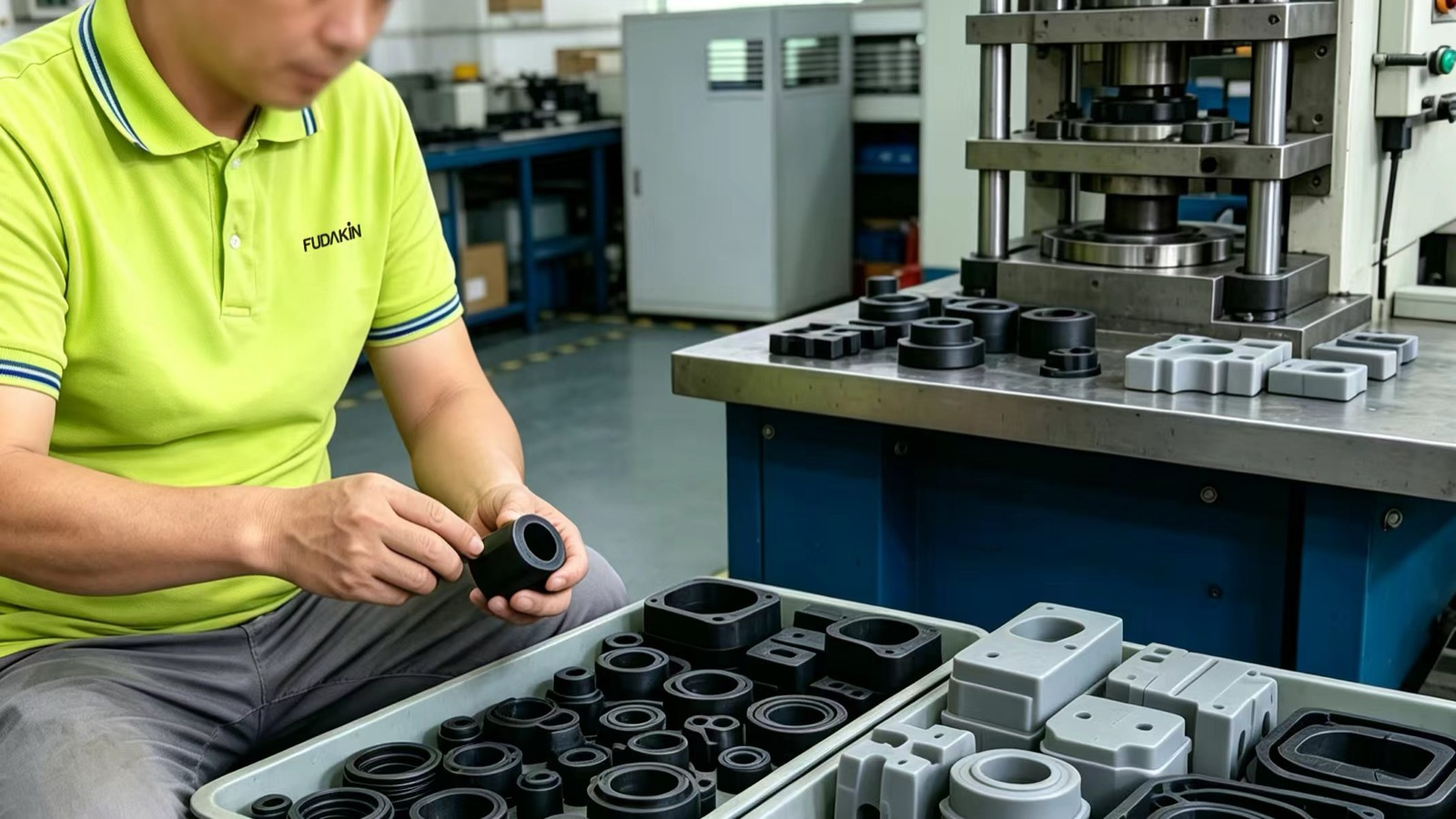
Fudakin runs LSR and rubber molding on our own presses in Shenzhen — seals, grips, and soft-touch parts molded to the same standard as the hard parts they pair with.
Ask by Emailor copy tiger@fudakint.com1996
Manufacturing since
200,000
Square meters of floor
300+
People on the floor
30–45
Day production lead times
Where It Goes Wrong
Quality control
A flexible part fails in ways a rigid one never does. Flash at the parting line — a hairline ridge where the mold halves meet — wrecks a seal's contact surface before anyone notices. Shore hardness has to hold on part ten thousand, not just part one, or a grip drifts firmer or softer with no spec ever changing.
When silicone bonds to a rigid part — a grip zone, a captive gasket — that bond has to survive years of flexing, not just look attached on day one. It gets engineered before the mold is cut, the same discipline behind our multi-material molding work.
What Fudakin Runs
What Fudakin runs
Liquid silicone (LSR)
Metered, mixed, and injection molded for tight, repeatable hardness.
Rubber molding
Built to flex, seal, and absorb impact, shot after shot.
Silicone & rubber overmolding
Bonded to a rigid part on the same floor it's molded on.
Before The Mold Is Cut
Before the mold is cut
Every program starts with the part's real use — sealing pressure, flex cycles, temperature range — reviewed against material and hardness before the mold is cut once.
On Our Floor
Molding photos
FAQ
Frequently asked questions
What's the difference between liquid silicone rubber (LSR) and standard rubber molding?
LSR is a two-part liquid silicone that's metered, mixed, and injected into a heated mold, where it cures in seconds to minutes — a process suited to high-consistency parts like seals and soft-touch grips. Standard rubber (compression or transfer molded) starts as a solid compound and typically needs a longer cure cycle. Both end in a flexible, molded part; the material and the press determine which route fits a given design.
Why does a silicone or rubber part fail more often than a rigid plastic part?
A flexible part has to hold its shape, its seal, and its feel across a temperature range and years of flexing — not just come out of the mold looking right. Common failure points are flash at the parting line that ruins a seal's contact surface, shore hardness that drifts from part to part, and bonding that looks fine on day one and delaminates from a rigid substrate months later. Getting the cure profile and mold design right the first time is most of what prevents this.
Can silicone be molded directly onto a rigid plastic part?
Yes — that's a common construction for a soft-touch grip or a gasket that needs to stay captive on a housing. It requires material compatibility between the silicone and the substrate and a mold designed for that second shot to bond or mechanically key into the first part, which is the same discipline behind our overmolding and multi-material work.
What kinds of parts is silicone or rubber molding used for?
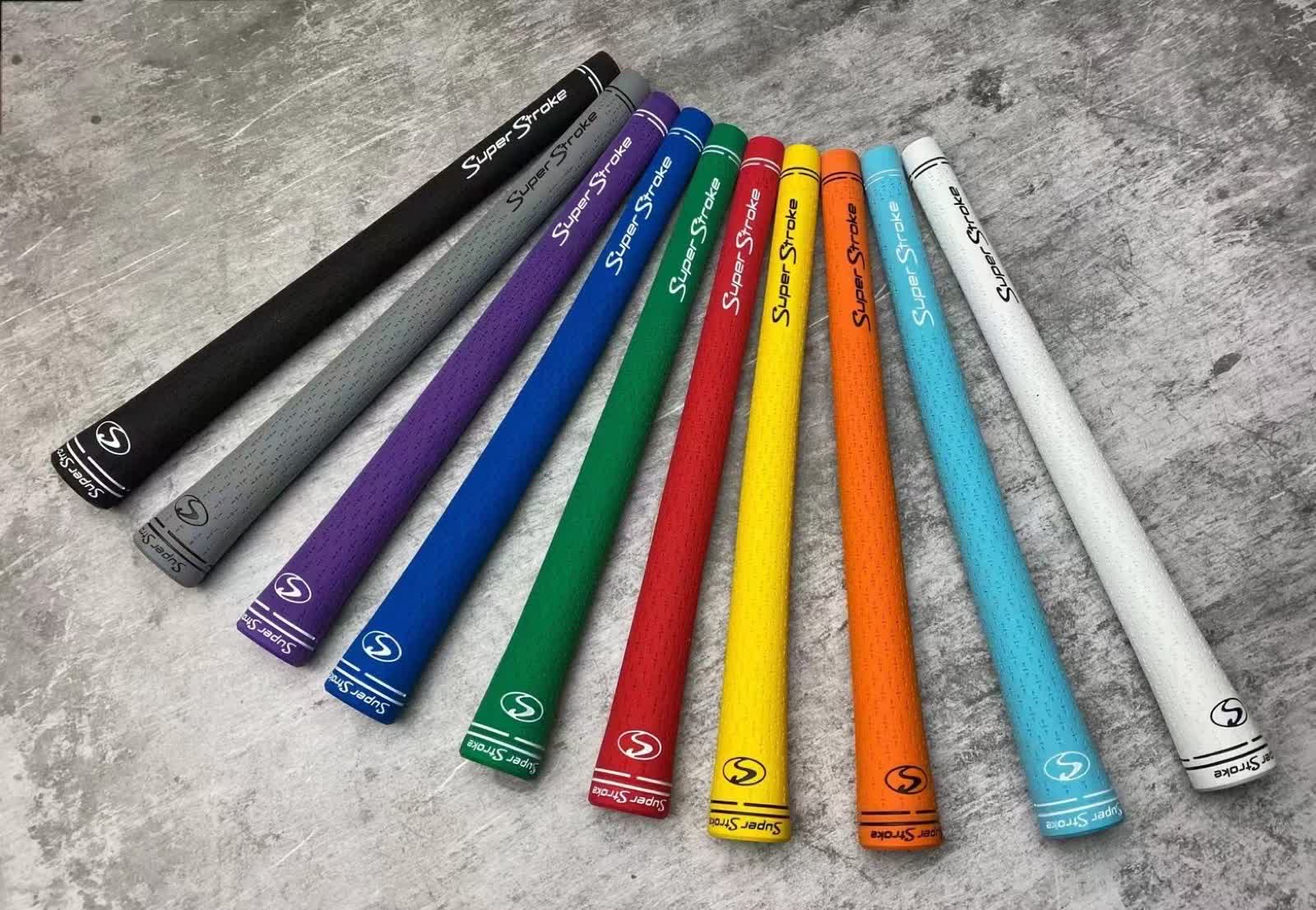
Seals and gaskets, soft-touch grips and overmolded housings, buttons and keypads, and rubber components that need to flex repeatedly without cracking. If a part needs to compress, seal, or feel soft to the touch, it's usually a silicone or rubber candidate rather than a rigid plastic one.
Does Fudakin run silicone and rubber molding in Thailand as well as China?
No — silicone and rubber molding runs in our Shenzhen facility only. Our Thailand facility runs injection molding, warehousing, and assembly.
Talk to us about a molded part
Send the drawing and the use case — we'll tell you honestly whether it's LSR, rubber, or an overmold, and why.