Capabilities
Overmolding, Insert Molding & Multi-Material Assembly
Fudakin molds parts that bond two materials into one piece — rigid and soft together in a single shot — on our own presses in Shenzhen.
Ask by Emailor copy tiger@fudakint.comWhy multi-material molding is genuinely hard
A single-material part only has to solve one problem: fill the cavity, cool evenly, release clean. A multi-material part has to solve that twice, at once, for two materials that don't behave the same way — and then make them stay together.
Material compatibility and adhesion
Not every plastic bonds to every other plastic. Some material pairs form a genuine chemical bond at the interface; others need a mechanical key — a groove, an undercut, a textured surface — molded into the base part so the second material has something to grip rather than something to peel off of. Getting the pairing wrong doesn't show up on the first part off the line; it shows up months later, in the field, as delamination.
Shrink rates that don't match
Every plastic shrinks a different amount as it cools from molten to solid. When two materials in one part shrink at different rates, the part warps, the bond line stresses, or a gap opens where the customer will see it. Predicting and designing around that mismatch — not discovering it after the mold is cut — is most of what makes this hard to get right the first time.
Tooling complexity
A multi-material mold isn't a single-material mold with an extra step bolted on. It needs gates positioned and sequenced so the second shot reaches the right surface at the right moment, cooling channels that manage two materials' different thermal behavior, and — for two-shot work — a press and mold built to hold the part in register between shots. None of that is visible in the finished part; all of it determines whether the finished part holds together.
What Fudakin runs
Overmolding
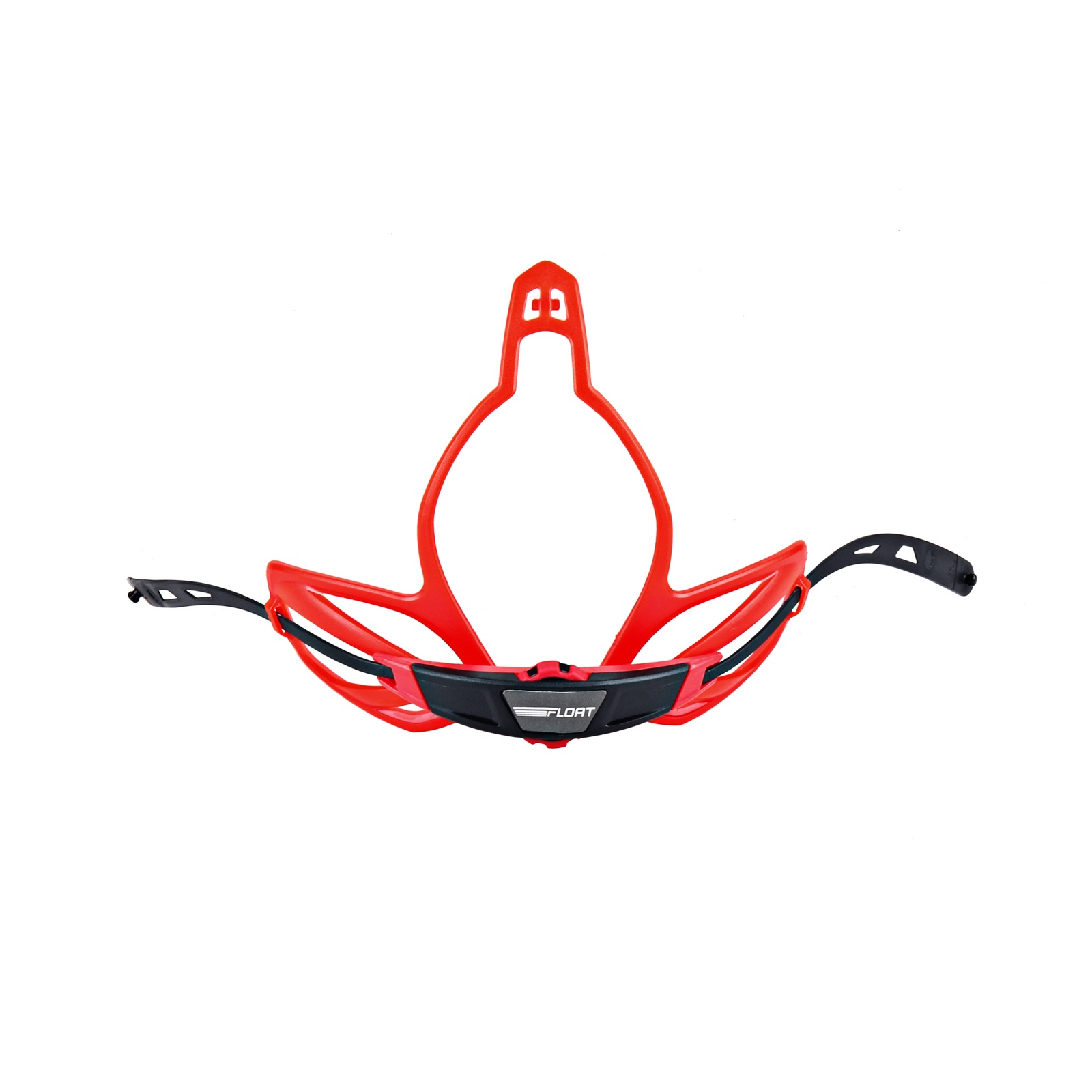
A second material — commonly a soft-touch grip, a seal, or a colored accent — molded onto an already-formed base part, bonding to it rather than sitting as a separate piece. It's how a rigid plastic housing gets a soft-touch grip zone or a weather seal without adding a fastener or an adhesive step.
Two-shot molding
Two materials injected in a single cycle, on a press built to run both shots without removing the part in between. Where the program calls for it, this replaces overmolding's separate step with one continuous cycle — a decision we make with the customer based on volume, part geometry, and material pairing, not by default.
Insert molding
A pre-formed component — most often metal — placed into the mold before the shot, so plastic forms permanently around it. It removes a secondary assembly step entirely: the part comes out of the press with the insert already locked in place.
Bonded multi-material assemblies
Not every multi-material part comes out of a single mold. A rigid housing bonded to a separately molded soft-touch or sealing layer is a working example — two components, engineered and bonded into one assembly rather than two parts a customer has to mate on their own line. Because molding, bonding, and assembly all sit on our floor, that handoff never leaves the building.
Every multi-material program starts the same way: material pairing and bond-line design reviewed during DFM, on our multi-ton press fleet, before a mold is cut — not fixed after the first shot comes out wrong.
FAQ
Frequently asked questions
What's the difference between overmolding and two-shot molding?
Overmolding molds a second material — often a soft-touch grip or seal — onto an already-molded base part, sometimes as a separate step, sometimes back-to-back in one cycle. Two-shot molding injects both materials in a single cycle on a press built for it, without removing the part between shots. Both end in one bonded, multi-material part; the difference is process and equipment, not the result the customer sees.
What's insert molding, and when does a part need it?
Insert molding places a pre-formed component — commonly a metal fastener, contact, or structural piece — into the mold before the shot, so plastic forms around it in one step instead of being assembled afterward. It's the right call when a part needs a metal element permanently locked into a plastic body with no secondary assembly step.
Why is multi-material molding harder than a standard single-shot part?
Two materials in one part have to be chemically or mechanically compatible, cool and shrink at rates that don't fight each other, and hold their bond through the product's real use — heat, flex, impact. The tooling also gets more complex: multiple gates, sequenced injection, and mold surfaces designed for a second material to key into rather than just release cleanly. A single-material mold designer doesn't automatically know how to solve any of that.
Does a multi-material part have to be over-engineered to work?
No — but it does have to be engineered on purpose. Material pairing, wall thickness at the bond line, and gate placement all get decided before the mold is cut, not fixed afterward. We review that during DFM, before tooling starts, which is where most multi-material problems actually get prevented.
Can a bonded multi-material assembly include parts that weren't molded together?
Yes. Not every multi-material assembly comes out of one mold — some combine a molded component with a separately produced part, bonded or fastened together afterward. Because molding, assembly, and finishing all run on the same floor, that handoff happens in-house instead of shipping a sub-part out to a second vendor.
Talk to us about a multi-material part
Send us the drawing and the materials — we'll tell you honestly whether it's overmolding, two-shot, or insert molding, and why.