Capabilities
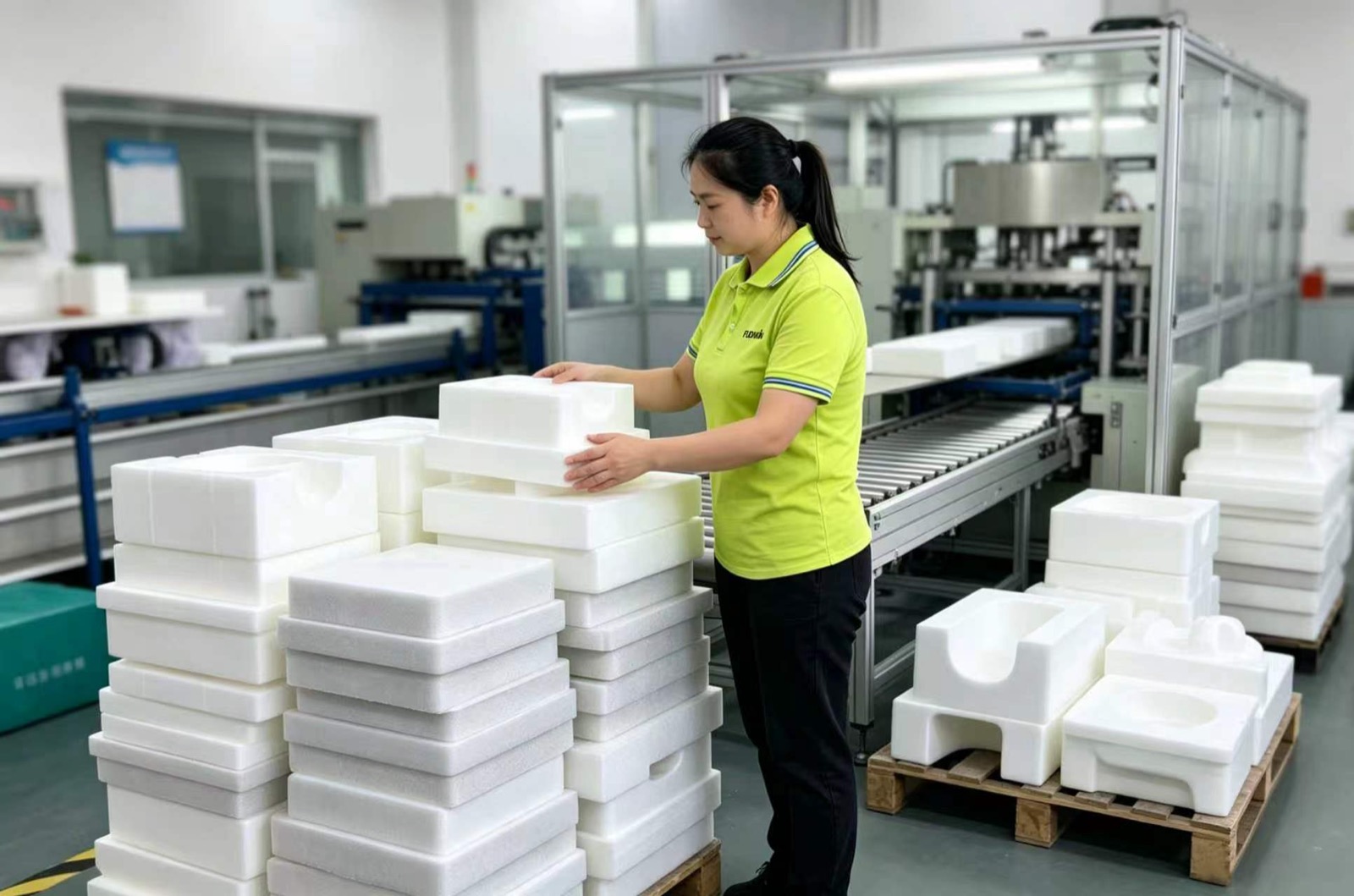
Molded Foam — EPS, EPP & PU
Fudakin molds EPS, EPP, and PU foam in Shenzhen, shaped to fit the part it protects rather than cut from a sheet.
Ask by Emailor copy tiger@fudakint.com1996
Manufacturing since
200,000
Square meters of floor
300+
People on the floor
30–45
Day production lead times
Why Foam Fails Quietly
Quality control
Density, bead fusion, wall thickness at a transition — none of it shows on the outside. Density that drifts between shots changes how a part absorbs impact, and a protective liner's thick-to-thin transitions are where a weak spot hides if the mold doesn't fill evenly.
A liner or insert also has to mate precisely with the shell, housing, or carton around it — engineered together, not designed apart and hoped into alignment.
What Fudakin Runs
The right foam for the job.
EPS molding
Rigid, single-impact foam for liners and protective packaging.
EPP molding
Springs back after more than one hit, or where a softer feel is spec.
PU foam molding
Liquid-molded, broader density and softness range than bead foam.
Fit To The Shell
Fit to the shell
Every foam program starts with the part's real job — impacts absorbed, what it mates to, what shape it holds — reviewed alongside the shell or housing it's built to fit.
Retention Hardware
How the liner fits in the housing
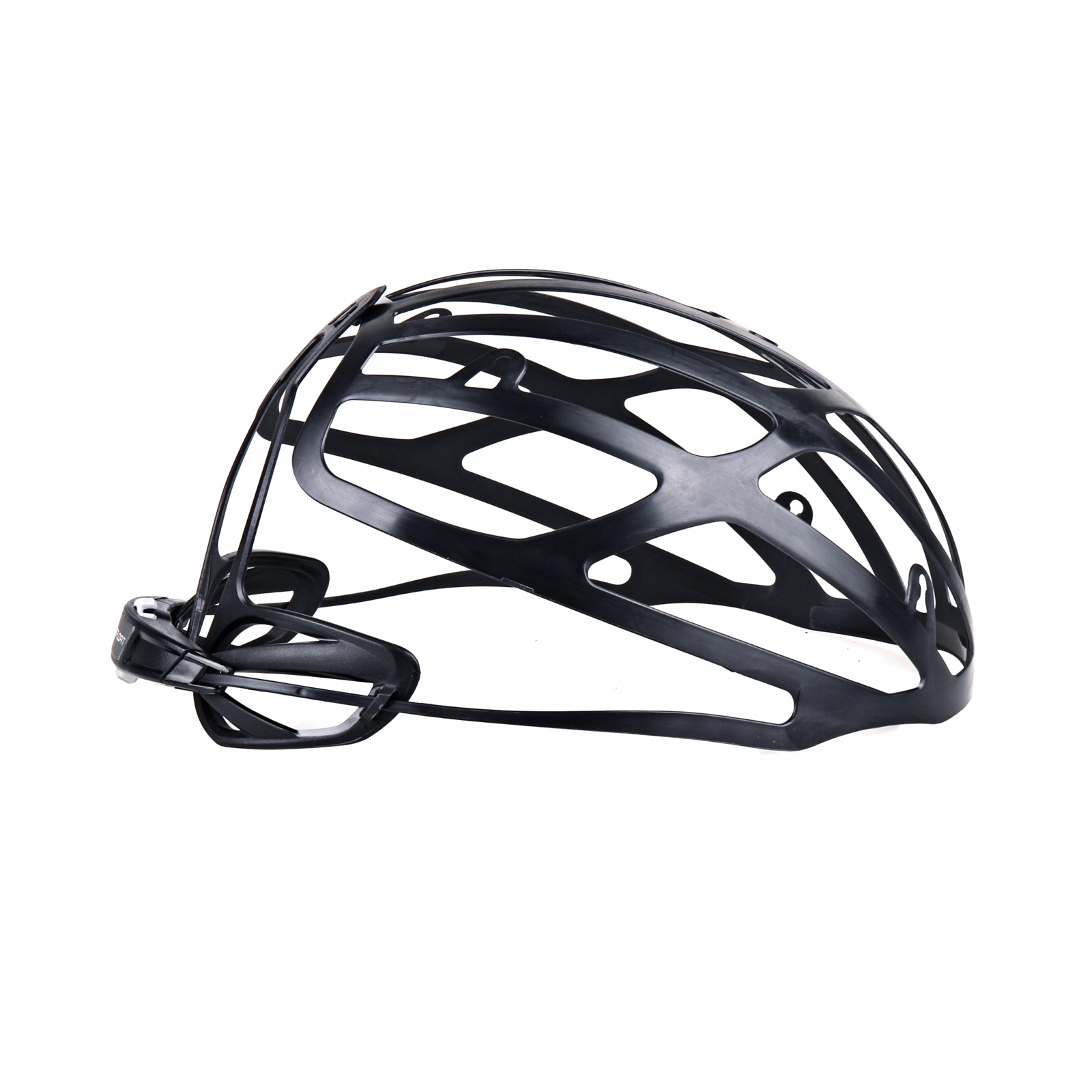
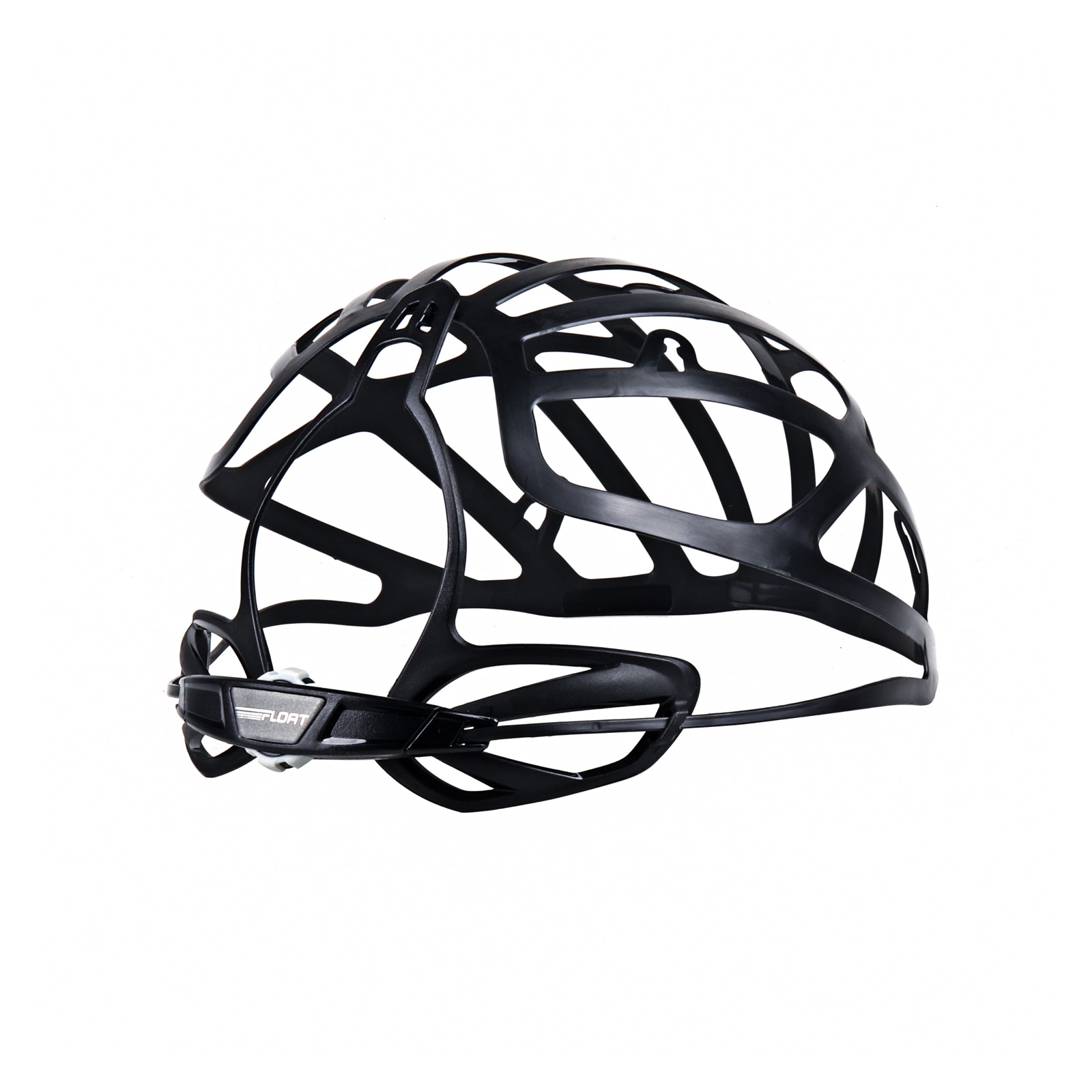
The buckle and strap hardware shown below is the retention hardware Fudakin builds, fitted to a helmet housing it's built to mate against.
FAQ
Frequently asked questions
What's the difference between EPS, EPP, and PU molded foam?
EPS (expanded polystyrene) is rigid, lightweight, and single-impact — it crushes once to absorb energy and doesn't return to shape, which is why it's common in helmet liners and protective packaging. EPP (expanded polypropylene) is more flexible and can absorb repeated impacts, springing back closer to its original shape. PU (polyurethane) foam is molded as a liquid that expands and cures in the mold, and covers a wider density and softness range than either bead foam. Which one fits depends on whether a part needs to absorb one hit or many, and how firm or soft it needs to feel.
Why is molded foam harder to get right than it looks?
Foam's whole job is often invisible until it's tested — a liner that looks fine can still fail an impact spec if the density isn't consistent through the part, or if the mold didn't fully fuse the beads at a thick section. Wall thickness transitions, density uniformity, and mold fill all affect how a foam part actually performs, not just how it looks coming out of the tool.
Can foam parts be molded to fit a specific shape, like a packaging insert?
Yes — that's most of what foam molding is for. A padding or packaging insert is molded to the geometry it needs to protect, which is a tooling and process discipline distinct from a flat foam sheet cut to shape. We work from your geometry and impact requirements to confirm which foam type and mold approach fits. (Note: this doesn't extend to helmet liners — see our helmets page for what we do and don't build there.)
Does Fudakin mold foam and assemble it into the finished product?
Yes. Foam padding and packaging inserts are routinely one component in a larger build — bonded or fastened into a housing or carton, paired with other components, and assembled into a finished unit — and because molding and assembly run on our floor, that handoff never leaves the building.
Does Fudakin mold foam in Thailand as well as China?
No — foam molding runs in our Shenzhen facility only. Our Thailand facility runs injection molding, warehousing, and assembly.
Talk to us about a foam part
Send the geometry and the impact requirement — we'll tell you honestly whether it's EPS, EPP, or PU, and why.