Products
How Bike Components Are Manufactured
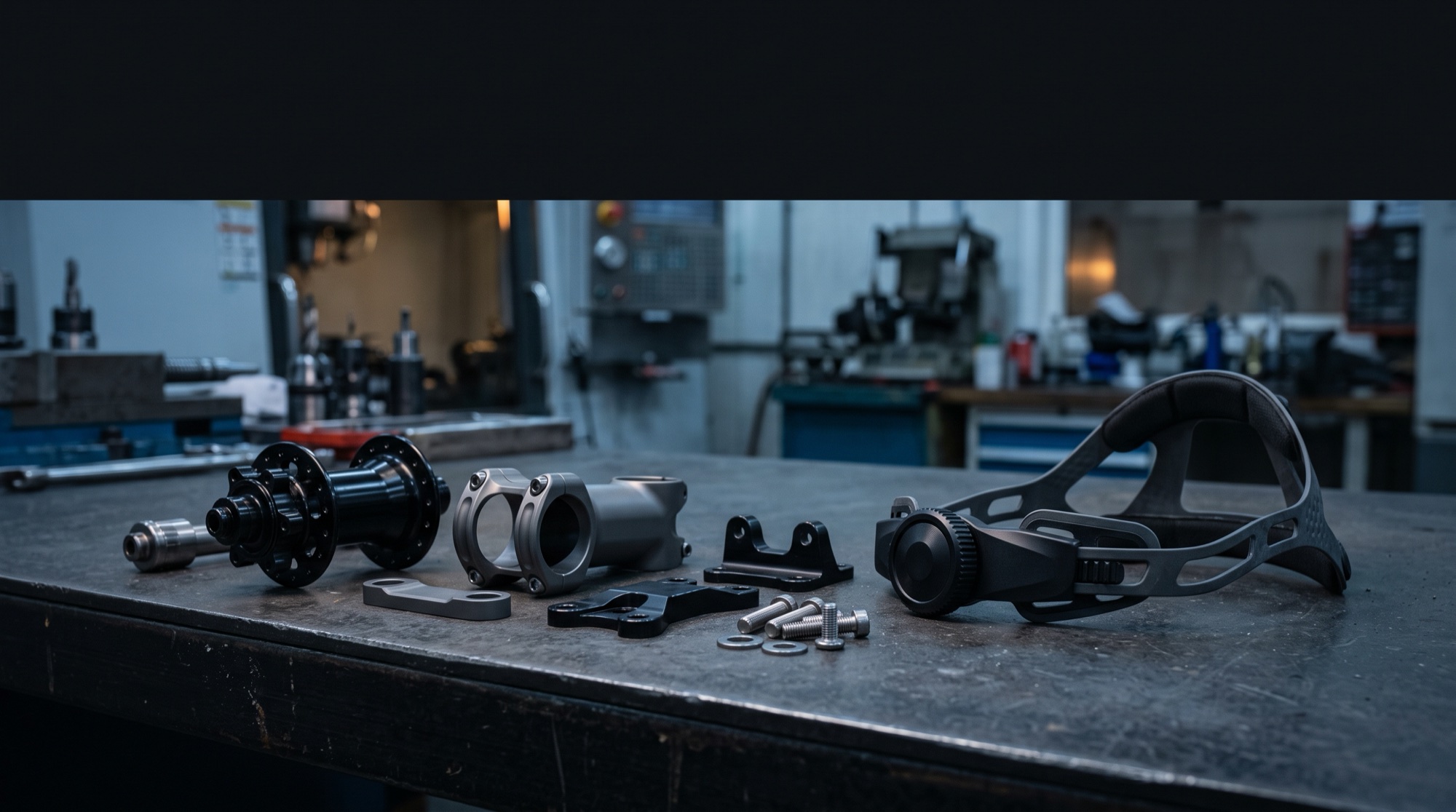
Fudakin manufactures frames, mounts, and precision hardware for bike components. Here's how the parts get made.
Get a Quote by Emailor copy tiger@fudakint.comWhat makes a bike component demanding to build
A bike component isn't judged the way most sporting hardware is. It's a safety-critical fit that a rider trusts under repeated load, in weather, for years — which pushes the manufacturing toward precision machining and verified tolerance rather than a looser, cast-and-ship process.
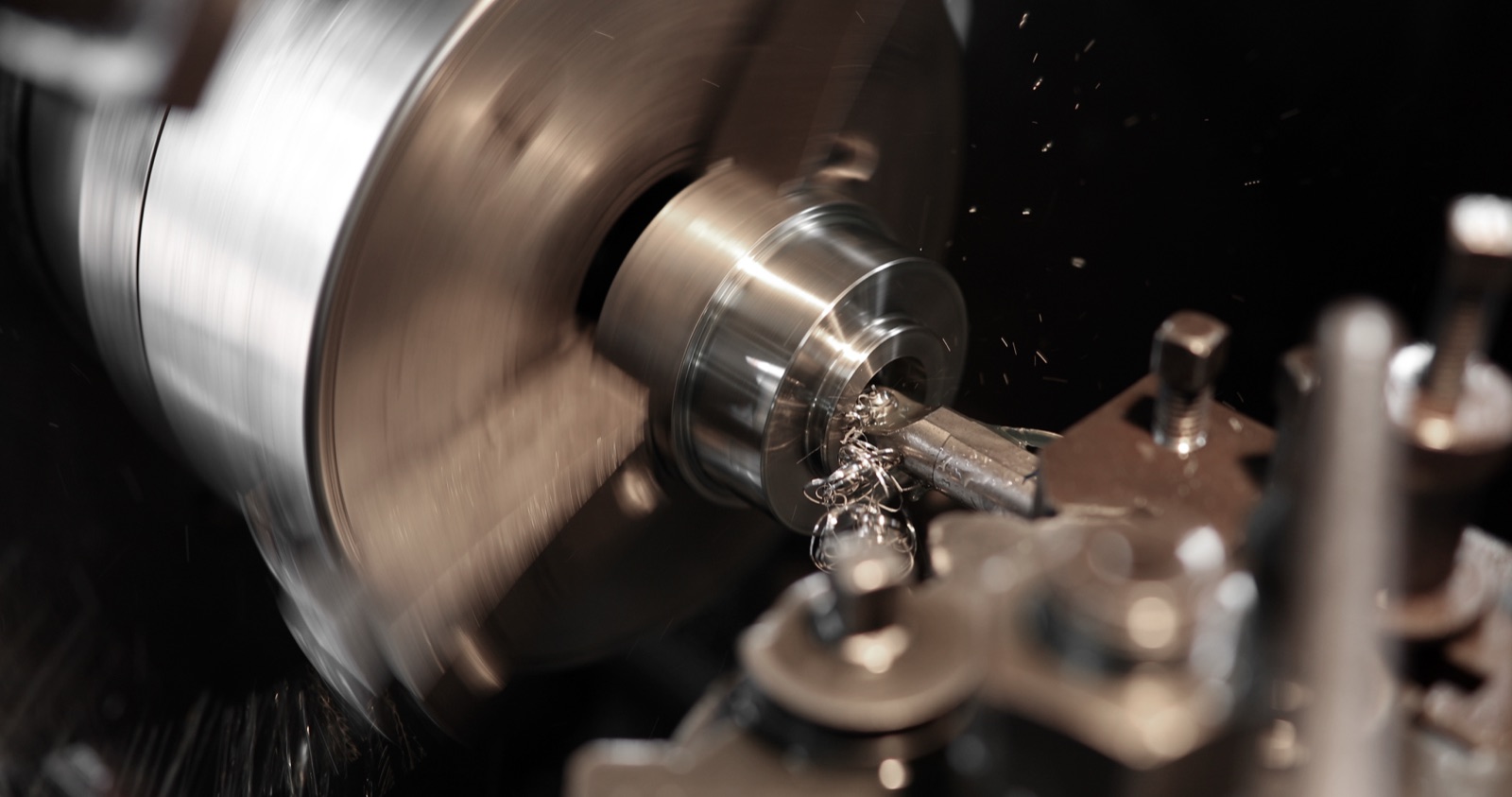
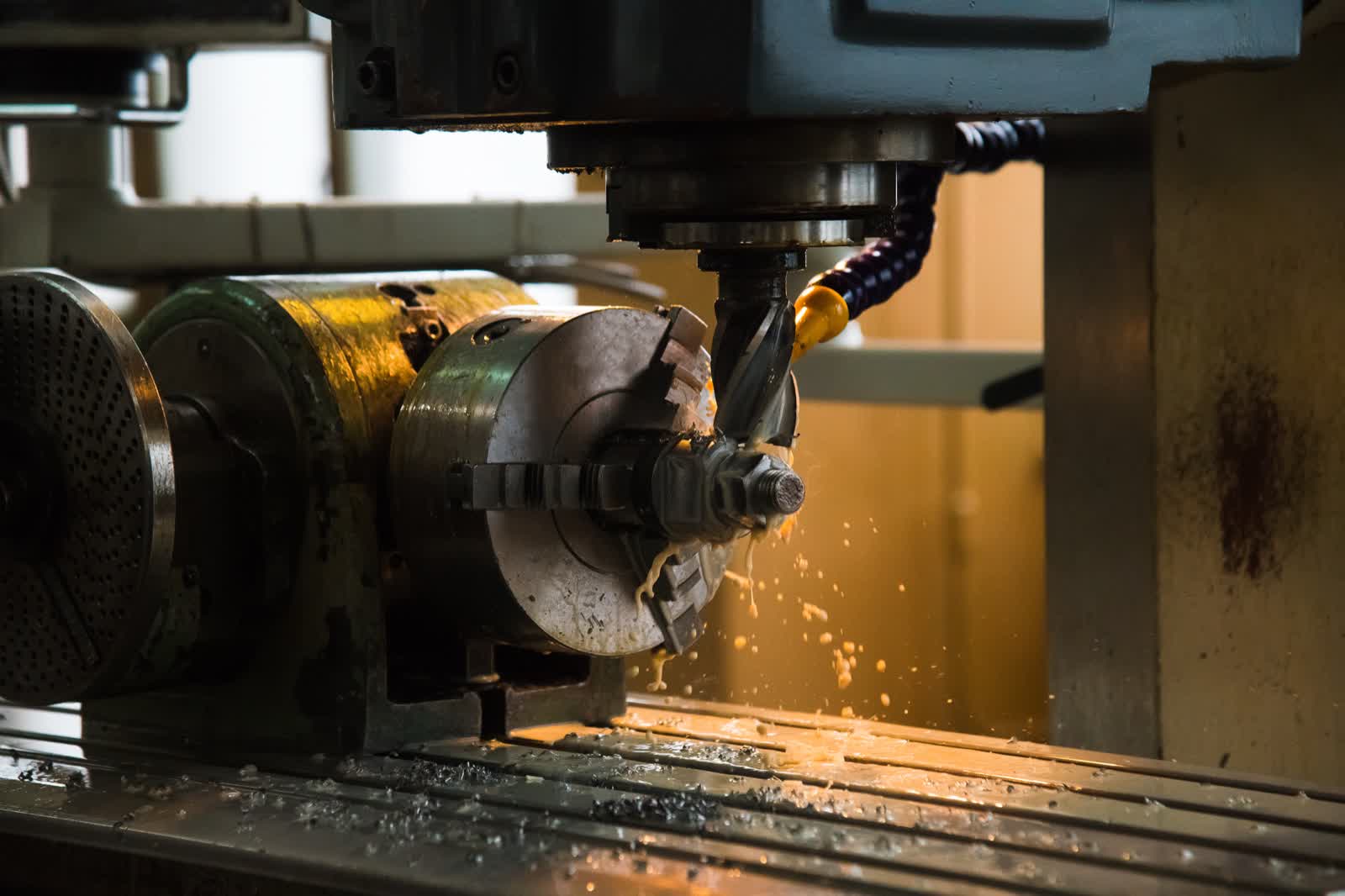
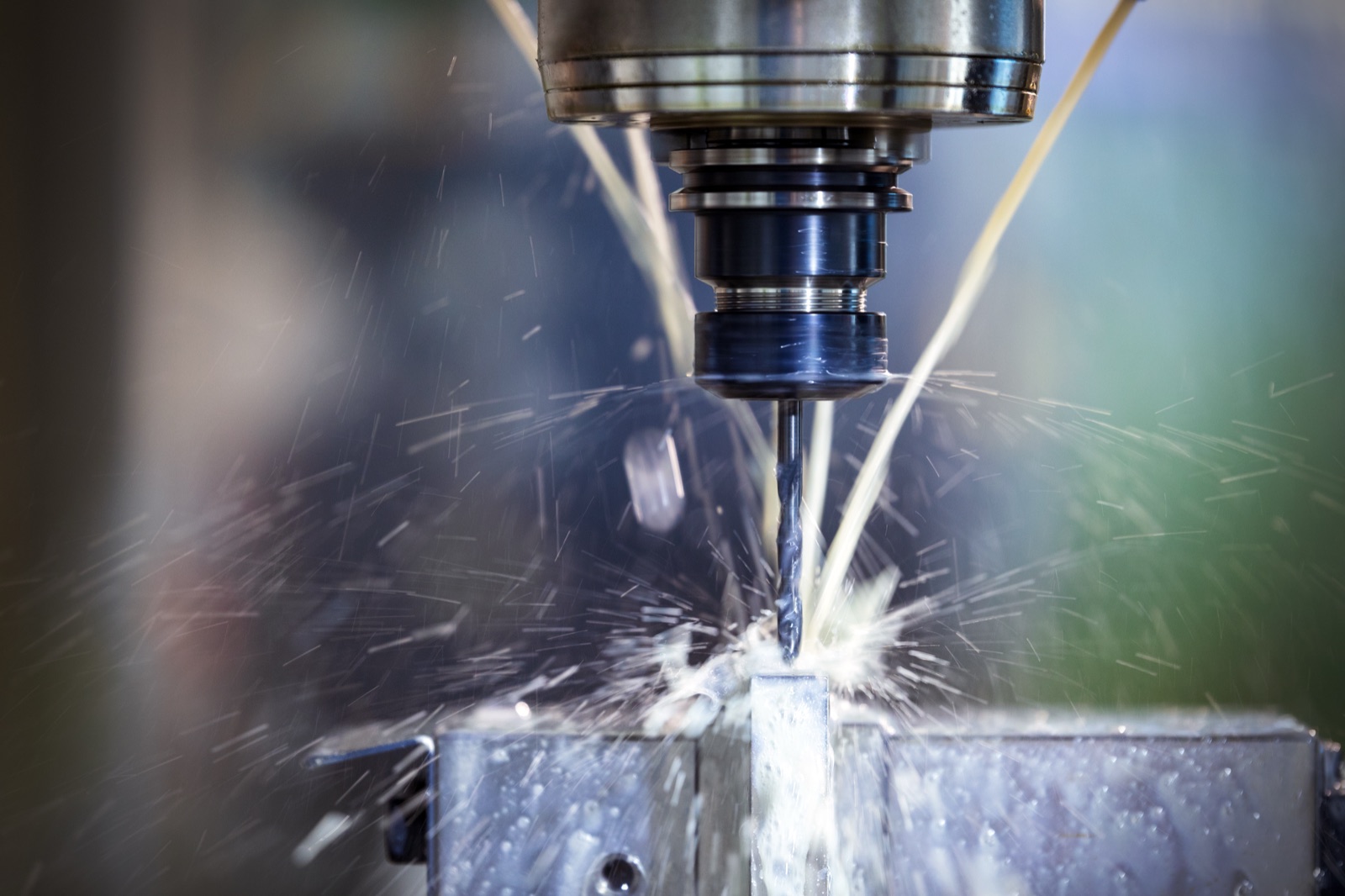
CNC machining for structural hardware
Frames, mounts, and precision fittings are most often multi-axis CNC machined, which cuts a part from solid stock rather than casting or molding it — the right choice when a mounting face or bore has to hold a tolerance a casting process can't reliably deliver on its own. That machining runs on our Shenzhen floor, with molded and assembled components able to move to our Thailand facility when a program needs the second production base.
Metal stamping for lighter hardware
Flat and simply-formed metal components — brackets, plates, reinforcement pieces — run through metal stamping instead of CNC machining when the geometry doesn't call for a fully machined part. It's a faster, lower-cost complement to CNC hardware in the same assembly, produced on the same floor.
Multi-material assembly
Grips, covers, and cosmetic components are typically injection molded, and a soft-touch grip material can be overmolded directly onto a rigid CNC-machined or stamped substrate in one molding step rather than assembled as two separate parts afterward. Building the metal and the molding under one roof means the fit between them is set once, not negotiated between two vendors' tolerances.
Finishing built for outdoor use
Bike hardware lives outside — sweat, weather, repeated handling — so the finish has to resist corrosion and wear, not just look right in the box. Painting and pad printing on the same floor take a machined, stamped, or molded part to a brand's finish and branding spec before it reaches assembly.
Machining photos
FAQ
Frequently asked questions
How are bike components actually manufactured?
Most structural bike hardware — frames, mounts, precision fittings — starts as multi-axis CNC machining or metal stamping, gets finished on the surfaces that need a tight tolerance, and then either ships as a machined part or moves into assembly with molded plastic or composite components. Grips, covers, and cosmetic pieces are typically injection molded and can be overmolded directly onto a metal or rigid substrate.
Why does a bike component need tighter tolerance than other sporting goods hardware?
A bike component is a safety-critical fit in a way a lot of sporting hardware isn't — a mount or fitting that's off by a fraction of a millimeter can affect how a rider trusts the part under load. That's why held tolerance on mounting faces and bores matters more here than almost anywhere else we manufacture, and why every critical surface gets verified on our ZEISS coordinate-measuring machine.
Can you handle both the metal and plastic parts of a bike component?
Yes. CNC machining and metal stamping cover the structural and hardware side, while our injection molding operation handles grips, covers, and composite components — including overmolding a soft-touch material directly onto a rigid part. Both run under one roof, so a mixed-material component doesn't need a second vendor.
What finish do bike components need to hold up outdoors?
Bike hardware is exposed to weather, sweat, and repeated handling, so coatings need to resist corrosion and wear, not just look right in the box. Our painting and finishing line matches coating chemistry to the part's substrate and use case, on the same floor where the part was machined or molded.
What volumes can you support for a bike component program?
From an initial small-batch run through full-scale production. Because tooling and CNC programs are validated for volume from the start, scaling up doesn't mean requalifying a new vendor or reproving a tolerance.
Talk to us about a bike component
Tell us the part and the load it needs to hold — we'll tell you what's realistic.